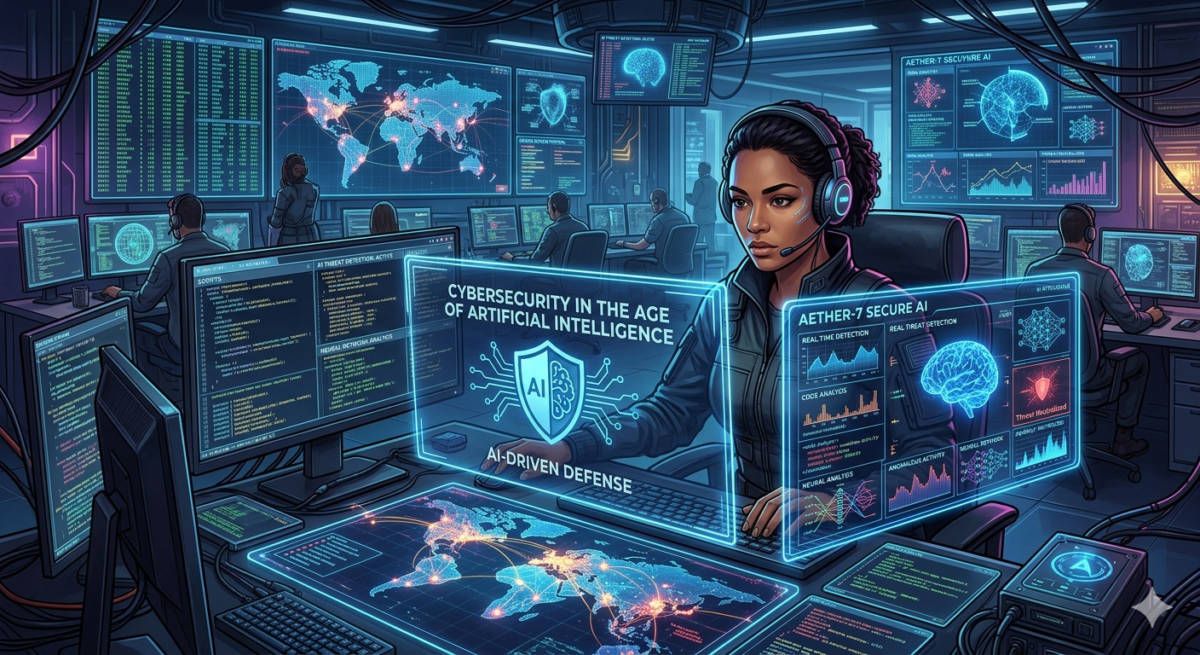
In an era of rapid technological advancement, artificial intelligence is becoming an integral part of our daily lives. Its applications span a wide range of fields, from medicine and finance to transportation and entertainment. However, along with new opportunities, AI also introduces new challenges, particularly in cybersecurity. How exactly is the cyberthreat landscape changing in the era of AI, and what measures should be taken to protect data and systems?
New challenges and threats
AI can be used for both defense and attack. On the one hand, AI systems help detect and prevent cyberattacks by analyzing massive amounts of data and identifying anomalies in real time. On the other hand, attackers are also actively using AI to create more sophisticated, harder-to-detect attacks.
One example is the use of AI to develop phishing attacks. Using machine learning, attackers can create realistic fake messages and websites that are difficult to distinguish from the real thing. Another example is the automation of attacks using botnets that can adapt to real-time defenses.
Furthermore, AI can be used to create malware that can bypass traditional security systems. Such programs can remain hidden in systems for long periods of time, collecting data or causing damage before being detected.
Tools and methods of protection
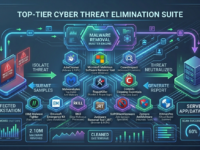
To effectively protect against cyberattacks in the AI era, a comprehensive approach is required, including the following measures:
- Machine learning and data analysis. Modern cybersecurity systems use machine learning to analyze network traffic and identify anomalies that may indicate cyberattacks. These systems are capable of adapting to new threats and improving their effectiveness as they accumulate data. For example, systems can automatically update their models based on new malware samples, allowing them to respond to threats more quickly.
- Automation and orchestration. Using automated incident response solutions significantly reduces the time it takes to detect and remediate threats. Orchestrating various security systems ensures their coordinated operation and improves overall efficiency. This includes automatic software updates, regular vulnerability scans, and automated patch application.
- Multi-factor authentication ( MFA ). Implementing multi-factor authentication helps protect user accounts from unauthorized access, even if attackers have gained access to passwords. MFA can include biometric data, one-time passwords sent to mobile devices, and other methods that significantly complicate access for attackers.
- Training and awareness. Regularly training employees in cybersecurity fundamentals helps reduce human error risks. Knowledge of basic information security principles and the ability to recognize phishing attacks can significantly improve an organization’s security posture. This includes regular training, attack simulations, and fostering a culture of cybersecurity within the organization.
Practical benefits and solutions to specific problems in cybersecurity
Option 1: Botnet Attack Protection for Small Businesses
Problem: Small businesses often face attacks using botnets that can take down their websites and online services.
Solution: Using AI to analyze traffic and identify anomalies characteristic of botnet attacks. AI systems can automatically block suspicious IP addresses and prevent access to company resources.
Advantages:
- increasing the resilience of websites and online services;
- reducing the risk of loss of income due to website inoperability;
- automation of the security process, which is especially important for small companies with limited resources.
Option 2. Detection and prevention of data leaks in corporate networks
Problem: Data breaches can cause significant damage to a company’s reputation and financial health.
Solution: Implement AI systems to monitor network activity and analyze user behavior. AI can detect unusual actions, such as mass data copying or attempts to access sensitive information, and automatically block suspicious transactions.
Advantages:
- reducing the risk of data leaks and associated losses;
- increasing the level of protection of confidential information;
- Automatic response to suspicious activity, allowing for faster threat prevention.
Option 3: Protecting against targeted attacks on medical facilities
Problem: Healthcare facilities are frequently targeted by cyberattacks, which can lead to the leakage of patient personal data and system disruption.
Solution: Using AI to protect medical systems and databases. AI can analyze user behavior and data access, identifying unauthorized access attempts or suspicious activity. AI can also automate the process of updating security systems and applying patches.
Advantages:
- increasing the level of protection of patients’ personal data;
- ensuring the smooth operation of medical systems;
- reducing the risk of financial and reputational losses for medical institutions.
Option 4. Protecting against attacks on the Internet of Things (IoT) in smart homes
Problem: IoT devices in smart homes are frequently subject to cyberattacks, which can lead to data leakage and device malfunction.
Solution: Implement AI to monitor and protect IoT devices. AI can analyze network traffic and device behavior, identifying anomalies and automatically blocking suspicious activity. AI can also provide regular updates and security checks for devices.
Advantages:
- increasing the security level of smart homes;
- reducing the risk of data leaks and hacks of IoT devices;
- automation of the protection process, which is convenient for end users.
The Future of Cybersecurity in the AI Era
The development of artificial intelligence technologies will create new challenges and opportunities in cybersecurity. Organizations will need to adapt to the changing threat landscape and leverage advanced technologies to protect their data and systems.
In the near future, we can expect further development of AI-based cybersecurity systems capable of predicting attacks before they occur and automatically applying protective measures. Such systems can use predictive models based on the analysis of historical data and current trends, allowing them to prevent attacks before they even begin.
It is also important to continue cooperation between various organizations and states to share information on cyber threats and jointly develop effective defense methods. This includes the creation of international standards and protocols that will help coordinate cybersecurity efforts globally.
Ultimately, in the era of artificial intelligence, cybersecurity is becoming a key aspect determining the success and stability of any organization. It’s important not only to utilize modern technologies for protection, but also to constantly refine cybersecurity methods and approaches to meet new challenges and threats.