14 dead, thousands fleeing: Inside the grief of sailors stranded in the Strait of Hormuz

I The US-Iran deal due to be signed on Friday may offer hope to the tens of thousands of merchant seamen stranded in the Strait of Hormuz, but it is unlikely to bring an immediate end to what has been a brutal crisis for many.
“It’s just the beginning,” the International Transport Workers’ Federation, the world’s largest transport union, said in a statement on Monday.
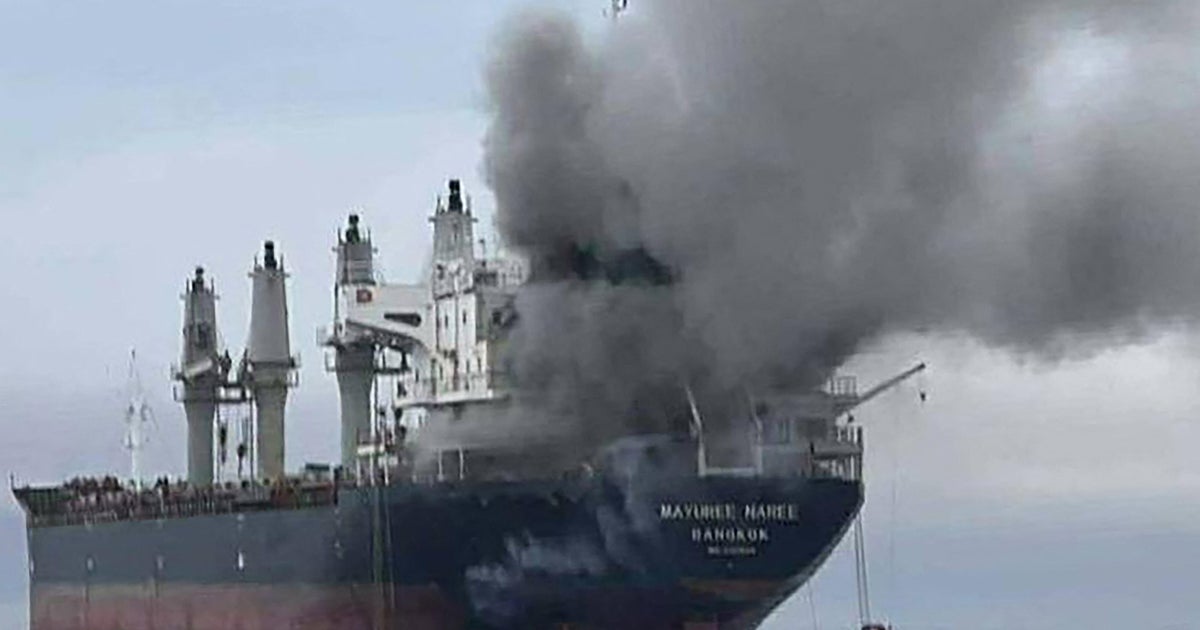
Both Iran and the US have detained and attacked commercial vessels suspected of violating regulations in the Strait of Hormuz and surrounding waters during the 109-day war.
At least 14 merchant seamen died during the war, including three people from India was killed in a US strike on an Iranian submarine last week. Others have been injured, arrested by the military or stranded at sea in hellish conditions.
About 600 ships are still stranded in the Persian Gulf, according to business intelligence firm Kpler, and shipping companies. expect it to take weeks – if not months – for normal traffic through the Strait of Hormuz to resume. A narrow strait is the only way in or out of the Gulf.
AFP/Getty
Although cautiously optimistic, the evacuation and return of crews from stranded ships does not appear to be imminent.
“Now words on paper must be translated into actions for transport workers who have paid the price of this conflict,” said the International Transport Workers’ Federation, adding that it is already working on evacuation plans with the UN’s International Maritime Organization.
“Our hearts are broken”
Many of the sailors stranded at sea are of Indian origin.
Conditions on ships around the Gulf were “unbearable” last week, as US strikes on three merchant ships left three Indians dead, according to Manoj Yadav, general secretary of the Forward Seamen’s Union of India.
“They were very upset. Many called us and said they would not be able to continue sailing,” Yadav told CBS News in a telephone interview on Monday.
India’s Department of Commerce said this week that about 18,000 Indian seafarers remained in the region, and Yadav said many had “expressed that they felt [they are] in prison.”
CBS News 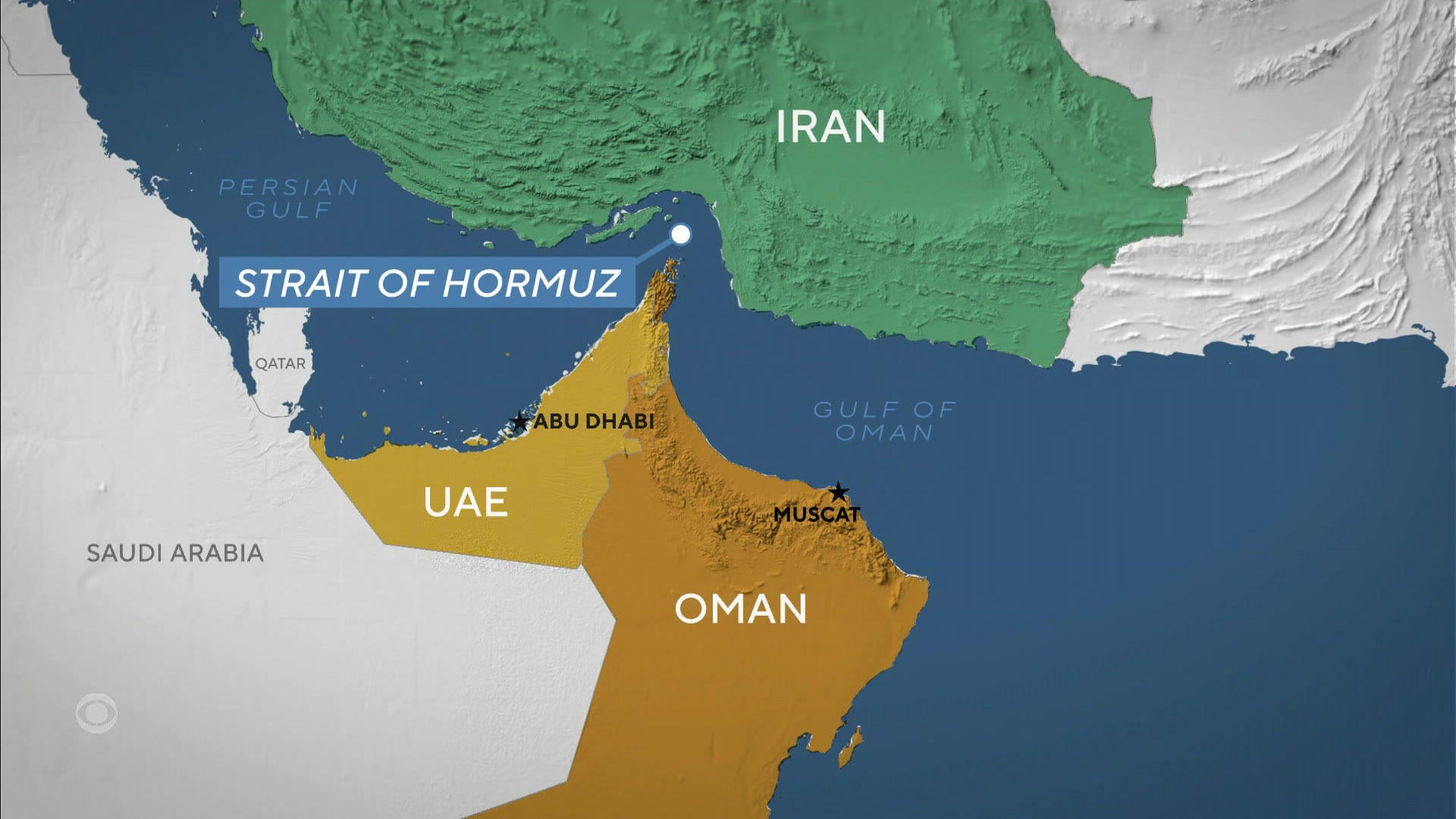
A fourth Indian sailor, Second Officer Nishanth Uirthanathan, died aboard the submarine MT Celestial Sea last week, nearly a month after the US Navy diverted the vessel, according to India’s maritime union. The Iranian-flagged vessel was bound for India, but was diverted about 400 kilometers to Oman’s Duqm Port, the union said, where Uirthanathan died on June 11 while awaiting discharge from hospital.
His body remained on the ship for three days without refrigeration, Yadav said on Monday.
The US military’s Central Command said on May 20 that the soldiers boarded the Celestial as it was “suspected of trying to break the US blockade by going to an Iranian port.”
U.S. forces “released the ship after searching and directing the ship’s crew to change course,” CENTCOM said at the time.
Marines left stranded in the conflict face shortages of food, water and medical care on their ships, as well as the threat of attack.
“The seafarers are the ones with the problem,” Yadav said.
Sonu Mehta/Hindustan/Getty Times 
Some Indians were able to leave their ships close enough to Iranian ports to return to India by land, without their wages, he added.
Passengers on US-sanctioned ships such as the MT Marivex, which was seized by the US on June 9, may not even know their ships are under sanctions.
“They just look at the size of the ship, where are the commercial areas, and how much will they get paid,” said Yadav. “That’s their main need, rather than finding out if it’s there [sanctioned] or not.”
CENTCOM has “disabled” nine ships for failing to comply with its closure and turned back 135 more, he said.
Yadav said the U.S. could have struck the ships in a way that avoided casualties, and the union demanded a United Nations investigation into the Marivex strike — and that the U.S. government pay at least $5 million in compensation to the families of the three sailors killed in the Palau-bound M/T Settebello strike and the fourth who died in the Celestial Sea.
“We want to know the full truth about what happened,” said the grandfather of one of the men who died in Settebello, Aditya Sharma, told the Press Trust of India. “Our hearts are broken.”