
The following article presents the best free antivirus programs of 2026, based on a consolidated analysis of test results from independent antivirus laboratories: AV-test, AV-Comparatives, AVLab, Virus Bulletin, and SE Labs.
As with previous versions of the rating, I would like to point out that it is in no way based on my personal opinion or subjective preferences, but rather on a meta-analysis of test results and, more recently, on the availability of antivirus products in Russia.
Antivirus tests
The methodologies, rating systems, and testing methods of different antivirus labs vary, and different products may be tested. Further, the greatest weight will be given to tests that analyze:
- Real-Word Protection
- Consumer versions of antivirus software for ordinary users.
It’s also worth keeping in mind that various antivirus vendors may offer both paid and free versions of their products for analysis. If a paid product was tested and received a high rating, but a free version without the “cut-down” features directly related to virus protection is available, it will also be included in the review.
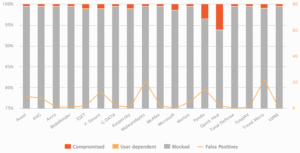
A summary of the latest test results from February-March 2025, presented in graphical form by AV-Comparatives, is presented below:
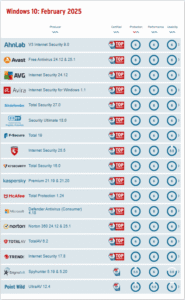
Results of the latest test from AV-Test (February 2025):
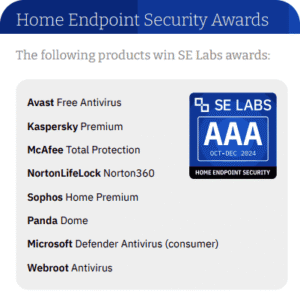
Similar results, but not overlapping for all antivirus products, can be found on AVLab.pl, SELabs.uk, and VirusBulletin.com
The Anti-Malware Testing Standards Organization website provides information on publication dates and test results from most independent antivirus labs, with the ability to search by platform, sector (corporate, consumer), and other parameters.
Free antivirus software is widely available worldwide.
Today, users worldwide have access to a broad range of free antivirus solutions from major cybersecurity companies. According to industry reports, millions of individuals rely on free antivirus programs, with a significant portion of personal computer users—estimated at over 50%—using free or built-in security tools such as Microsoft Defender Antivirus. Popular free options from companies like Avast, AVG Technologies, and Avira are available in most regions. While premium antivirus products offer advanced features, free versions remain accessible, widely used, and sufficient for basic protection for many users worldwide.
Let me reiterate that, despite the availability of some antivirus programs, such as 360 Total Security, in the country and their good reputation among users, they are not included in the list because they are not tested in the specified laboratories, and the list is based only on the results of these tests.
Kaspersky Free
Antivirus labs test paid versions of Kaspersky Anti-Virus. Still, its free version, Kaspersky Free, uses the same threat detection engine and differs from the paid product by omitting some modules not directly related to virus protection. For a long time, Kaspersky Anti-Virus ranked among the top two in most tests, rivaling only BitDefender.

One of the concerns users have about Kaspersky Anti-Virus is its impact on system performance. However, this is more likely a result of experience working with it 10 or more years ago than something relevant today: it requires no more system resources than other popular anti-viruses. Users also have access to other Kaspersky virus removal products that don’t require an anti-virus to be installed and running on their computers: KVRT and Kaspersky Rescue Disk.
You can download Kaspersky Free from the official website.
Microsoft Defender
The results of Microsoft Defender, the antivirus built into Windows 11 and 10, vary from lab to lab: from excellent to very good, surpassing some paid analogues.
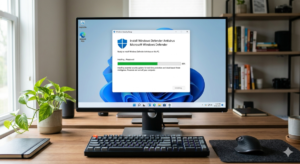
If you don’t want to install new third-party software and services on your Windows computer or laptop, and you’re not one of those users who routinely download software from dubious sources, the built-in Microsoft Defender may be sufficient.
One of the main complaints about Microsoft Defender is its negative attitude towards illegal games and programs and their components.
AhnLab V3 Lite
The South Korean antivirus AhnLab V3 Lite is little known among Russian users, but it’s free, shows some of the best test results, and is easy to use. There’s one caveat: it doesn’t have a Russian-language interface. It’s available for use in Russia, and if you don’t mind the English-language interface, you can safely use it.
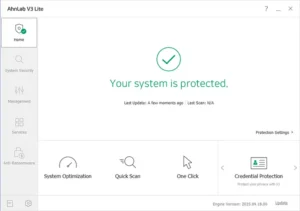
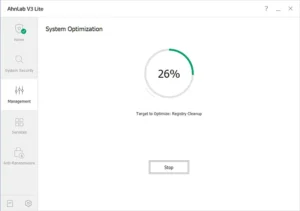
The antivirus also includes additional modules that are typically only available in paid versions of other products, such as those related to system optimization tasks:
The official download page is available (at the time of writing) only in Korean, but it is translated using the browser. You can simply click the button on the left under the heading “V3 Lite” to download the installer (it will launch in English).
Most are officially employed worldwide
Most of the antiviruses tested are available on official websites, and the developers provide services globally. However, it’s worth listing them:
- AVAST Free Antivirus and AVG Free are essentially the same antivirus, and it’s the free version that’s being tested. Despite being disliked by many users, it has consistently achieved top ratings in tests for many years.
- BitDefender Free is a free version of BitDefender antivirus, which has been on par with Kaspersky antivirus in tests for many years.
- Avira Free Antivirus – its test results are worse than those of BitDefender or Avast, but in some tests, it’s better than many others. It’s a simple, convenient, and fast antivirus.
Some of these antivirus programs can’t work in some countries if you find a way to download them and register an account. However, I would recommend using those that don’t impose any restrictions.
User opinions
Before publishing this article, I posted a poll on the site’s Telegram group, listing popular free antiviruses and adding an “Other” option with the option to leave your opinion in the comments.
According to the survey, the opinions are almost the same as in the tests, except for a few points:
- Microsoft Defender is number one. I think the main reason is that it’s already installed and doesn’t require any third-party software to be installed on your computer.
- The above-mentioned AhnLab V3 Lite was mentioned several times in the comments.
- Comodo was also mentioned in the comments. It’s not in the article above because it hasn’t participated in the most well-known tests in recent years (but it’s a good antivirus).
In addition, the comments also included positive reviews of antivirus products that are not free, in particular Malwarebytes Antivirus and ESET NOD32.
Additional information
Although many antivirus products have features that combat not only viruses themselves but also malicious or potentially unwanted programs, extensions, browser shortcut hijackers, and more, specialized programs (such as AdwCleaner) designed specifically for this purpose still perform better. They don’t interfere with antivirus software and allow you to remove unwanted programs that your antivirus doesn’t detect.
This antivirus ranking is updated annually, and over the years, it has accumulated numerous user reviews sharing their experiences with various antiviruses and other PC security tools. I recommend reviewing them below, after the article—you might just find some new and useful information.
And finally, I’ll clarify once again, since the comments are repeated year after year: if the antivirus that you personally consider the best is not on the list, it’s most likely not due to my bias, but rather to one of the following: it’s not free, or it’s not tested by multiple antivirus labs.