An engineer has built an incredibly thin computer that’s about the size of a standard credit card, potentially opening the door to a new class of ultra-portable computing devices.
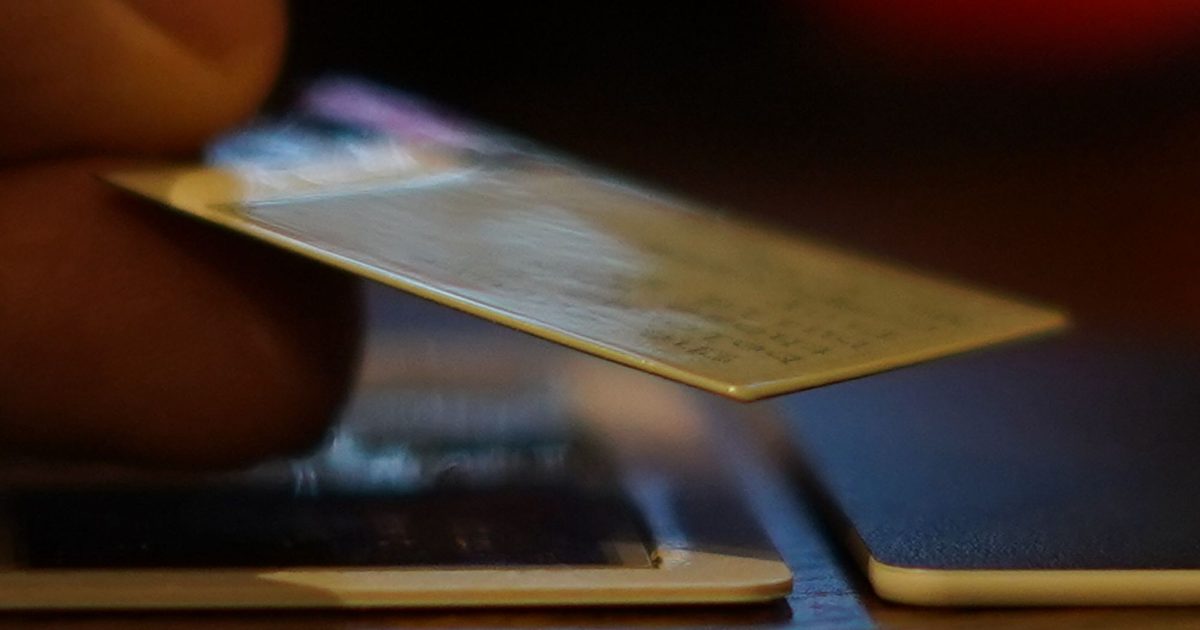
Called “Muxcard,” the experimental device combines a fully functional microcomputer, wireless connectivity, NFC support, sensors, and an E Ink display in a body that is only 1mm thick – thin enough to fit inside a regular wallet next to bank cards. The project, created by GitHub user “krauseler,” quickly drew attention from the maker and hardware enthusiast community for pushing the physical limits of compact electronics.
A small computer designed to fit in your pocket
Despite its compact form factor, the Muxcard packs surprisingly powerful hardware. The device is powered by an ESP32-C3 microcontroller and includes a 1.54-inch flexible E Ink display, NFC hardware, an IMU motion sensor, Bluetooth and Wi-Fi connectivity, and a small lithium-polymer battery.
The engineering challenge was not just the wear and tear of the parts, but making them strong enough to survive the everyday bending and pressing inside the wallet. According to project details shared online, the creator used flexible PCBs and carefully separated sensitive components into “islands” connected by bending-tolerant sections to reduce mechanical stress.
One of the biggest hurdles involved integrating an E Ink display into such a thin device. Traditional connectors are reportedly too large, forcing the creator to manually connect the solder directly to the display’s flexible cable. Power management was also a major challenge because very thin batteries offered very limited capacity.
Why this is more important than a DIY project
At first glance, Muxcard may seem like a niche test for hobbyists. However, the project reflects a wider trend towards invisible and ambient computing – devices becoming smaller, smaller, and seamlessly integrated into everyday objects.

The use of the E Ink screen is very important because it does not use nearly as much energy while displaying static information, which allows the card to remain active for a long time despite its small battery. The low-power design would make devices like these suitable for secure identification, digital business cards, two-factor authentication systems, event passes, or limited smart home controls.
For consumers, projects like Muxcard offer a glimpse of how the computing devices of the future could move beyond phones and wearables into things people already carry around every day.
Next
Muxcard remains an open source experimental project rather than a commercial product. However, hardware and firmware files have been published online for non-commercial use, meaning developers and enthusiasts can try to build their own versions.
As flexible electronics, smaller batteries, and low-power displays continue to improve, concepts like the Muxcard may influence future digital IDs, secure authentication tools, and highly portable computing devices.


.jpg "TrickMo Android bank accepts TON blockchain for covert comms")