The Ebola strain in Congo, Uganda has no vaccine, no treatment for the usually fatal symptoms

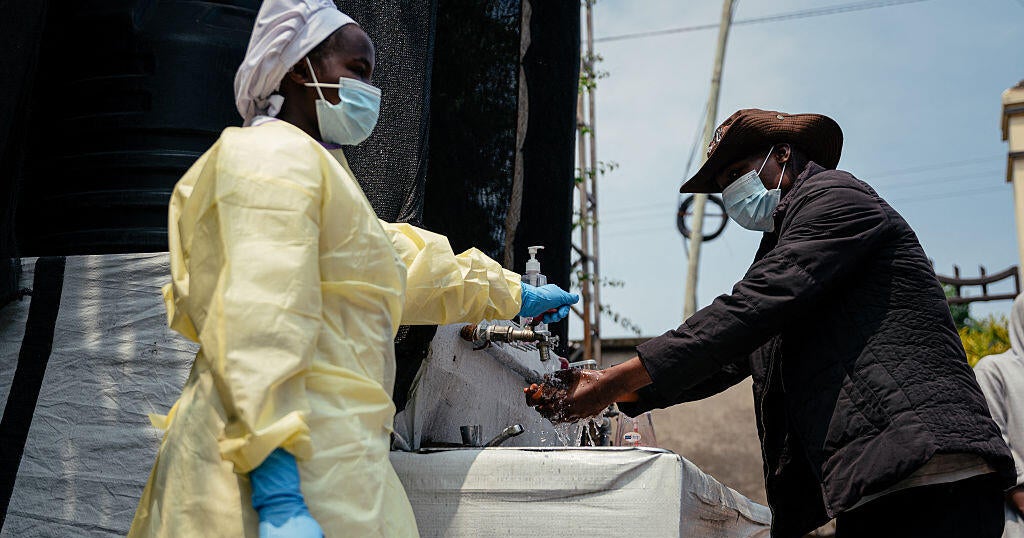
I The Ebola outbreak in the Democratic Republic of the Congo and Uganda is of great concern to health officials around the world in part because the virus found is a rare strain.
As of Sunday, when the World Health Organization declared a public health emergency, there were more than 250 suspected cases and 80 suspected deaths. These figures are expected to increase, as “there is great uncertainty about the actual number of people infected with the virus and its geographical spread,” WHO said.
Another American doctor working with an aid group in the Congo tested positiveand several others are believed to have it revealed.
The virus causing the outbreak is the Bundibugyo virus, health officials confirmed. This is only the third known outbreak of the virus, and there are no vaccines or treatments.
The Ebola vaccine targets the Zaire strain
Ebola is caused by orthoebolaviruses, of which there are many types.
Three viruses are known to cause large outbreaks of Ebola, according to the WHO. They are the Ebola (or Zaire) virus, which is very common; Sudan virus; and Bundibugyo virus, which was identified in this outbreak.
The only approved vaccine and treatment is the Zaire strain. Because each type of virus has different genetic material, it requires different vaccines.
There are other vaccines in development, but nothing that targets the Bundibugyo virus is close to being ready for use, said Dr. Céline Gounder, CBS News medical correspondent and infectious disease expert involved in responding to past Ebola outbreaks.
2 previous Bundibugyo outbreaks
Before this outbreak, there were two known outbreaks caused by the Bundibugyo virus, and both were smaller than the current one.
The first discovery of the Bundibugyo species took place in the Bundibugyo district of Uganda in 2007. There were 149 cases and 37 deaths in the outbreak, the Associated Press reported.
The second known outbreak was in Congo in 2012, with 57 reported cases and 29 deaths, according to the AP.
Because there have been so few outbreaks of the virus, there is much less information about how it behaves than the Zaire virus, which has been around since 1976 and caused dozens of outbreaks, Gounder said.
Symptoms of Ebola
Bundibugyo virus disease, a form of Ebola caused by the Bundibugyo virus, is severe and often fatal. The virus is spread from one person to another by direct contact with the body fluids of a person who is sick or has died of this disease.
Early symptoms are often mistaken for other diseases, says the WHO. They include:
- fever
- fatigue
- muscle pain
- headache
- Sore throat
Those can progress to other symptoms, including:
- cleaning up
- diarrhea
- abdominal pain
- rash
- organ dysfunction
- internal or external bleeding (uncommon)
The fatality rate of the Bundibugyo virus, based on the past two outbreaks, is about 30 to 50%, WHO said. Although still very dangerous, this is less than the fatality rate of the Zaire strain, which can be as high as 90%.
“Emergency emergency care, including rehydration and symptomatic treatment, can improve survival,” WHO said. “Seeking care early can save lives.”


