What is Kioxia?
Kioxia is a well-known manufacturer of memory chips in the computer world. Kioxia emerged in late 2019 following a rebranding by Toshiba. Toshiba’s memory division changed its name to Kioxia that same year, giving rise to this new brand. The name has a specific meaning: the Japanese word kioku means memory, while the Greek word axia means value. Thus, Kioxia refers to memory with value, and in a technological sense, we can define it as high-quality memory chips.
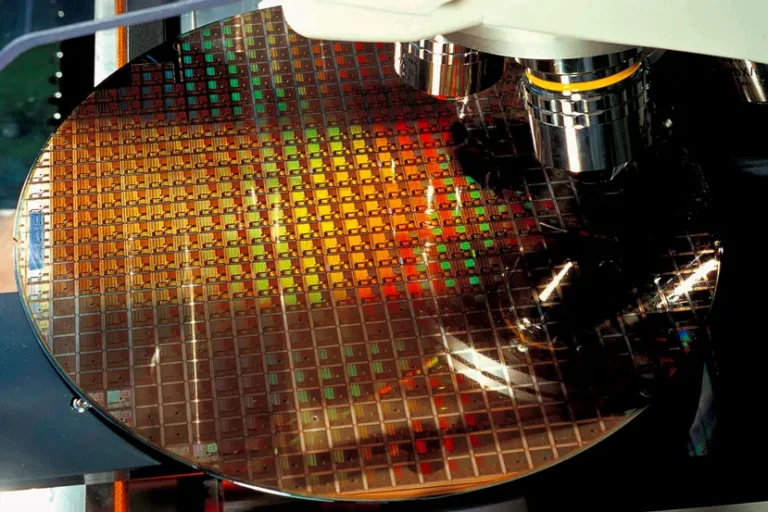
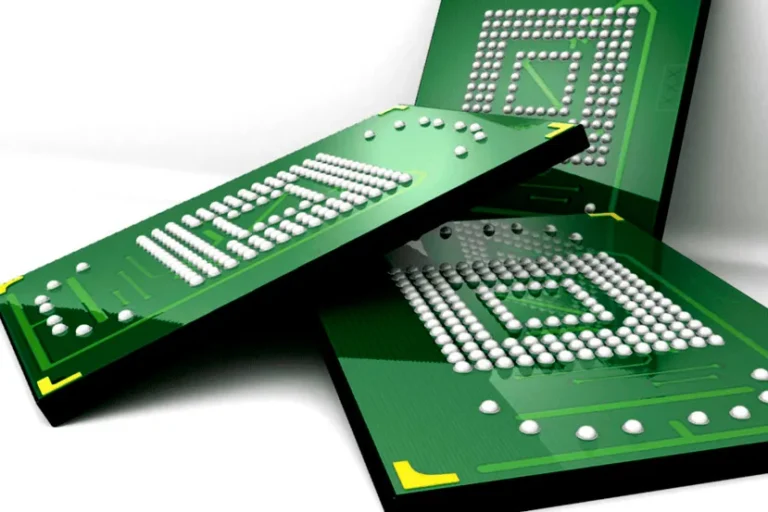
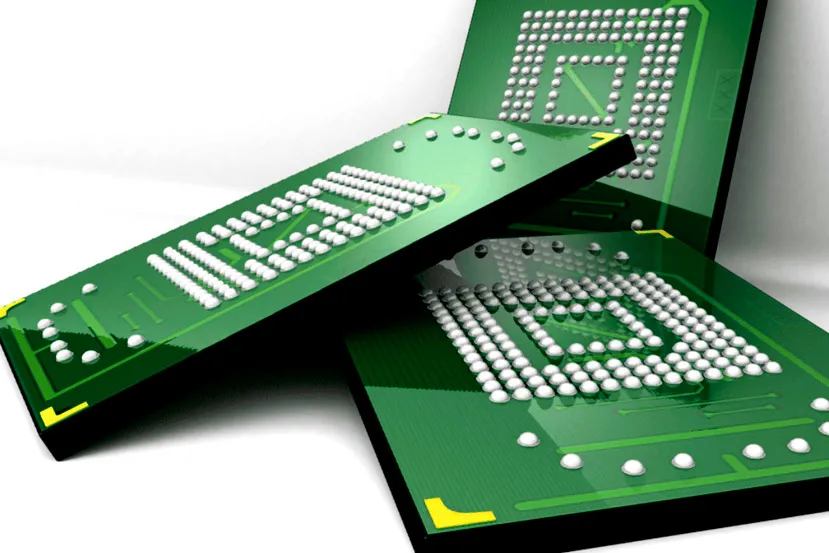
Kioxia is a manufacturer of NAND flash memory chips, which are used in a multitude of electronic devices such as SSDs, SD cards, USB flash drives, and any other type of product that stores information permanently. Toshiba, on the other hand, invented EEPROM flash memory in 1987 and has been manufacturing memory chips of different generations ever since, increasing their efficiency and performance every few years.
In fact, Toshiba’s memory division, now called Kioxia, invented a vertical stacking system for memory chips in 2007, called 3D NAND Flash. This system is still in use today and provides a different, more efficient storage solution with greater potential for future development. These innovations have made Toshiba, and now Kioxia, a well-known benchmark brand in the technology world, especially in the production of NAND memory chips.
Table of Contents
ToggleWhat type of products does Kioxia manufacture?
Kioxia manufactures non-volatile memory chips, also known as flash memory. This memory is integrated into products that store information long-term, such as SSD hard drives, USB flash drives, and SD cards. In addition to being the inventor of the 3D NAND chip stacking system, Toshiba Memory integrated this technology, known as BiCS, into its products. With each new generation of Kioxia’s exclusive BiCS technology, the manufacturer increases memory density by stacking more layers. This stacking is known as 3D NAND memory.
BiCS stands for Bit Cost Scaling, which refers to the scalability of the vertical stacking system for flash memory. Kioxia currently integrates BiCS5 technology, which aims to achieve a density of 128 GB per TLC chip, or 170 GB per QLC chip . The difference between TLC and QLC memory is essentially higher capacity, lower durability, and lower cost of the latter compared to the former. With BiCS5, the manufacturer has, for the first time, managed to combine TLC and QLC cells, thus providing mixed performance and capacity in line with current user demands. The next technological leap is Twin BiCS .
Kioxia’s products are limited to memory chips, as we’ve already discussed. The manufacturer has a large number of products on the market that utilize BiCS technology in one of its generations. Thus, Kioxia offers SSDs geared towards both servers and home users . The Kioxia Exceria products are SSDs and are divided into three lines: Exceria, Exceria Plus, and Exceria Pro, with the latter being the highest-performing. On the other hand, the Kioxia BG4 SSDs are designed for compact systems such as laptops and therefore come in the M.2 2230 form factor, much smaller than standard M.2 drives, as well as the BGA M.2 1620 form factor, soldered to the motherboard and even smaller.
About the Author

BuzzBongo Tech Team
Administrator
The BuzzBongo Tech Team is composed of seasoned professionals with decades of combined experience in hardware analysis, software architecture, and digital journalism. We don’t just report on the latest gadgets; we live, breathe, and stress-test them. Our team is driven by a singular passion: ensuring that our readers have the honest, impartial, and expert-level information they need to navigate the rapidly evolving tech landscape.https://www.buzzbongo.com/buzzbongo-tech-team