
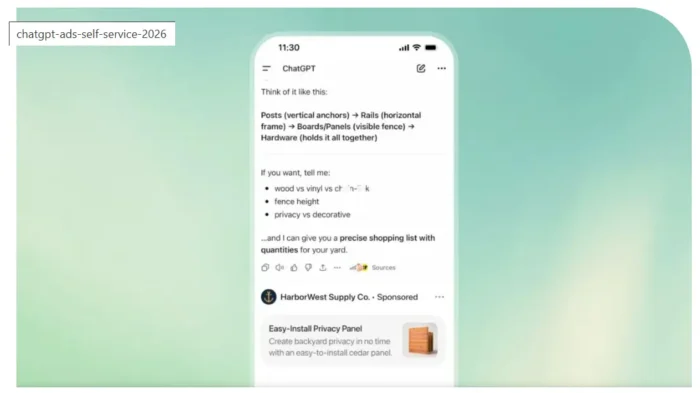
A few months ago, advertising on ChatGPT meant getting an invite. A small group of products had access. Everyone else is waiting.
Self-service access is now open to all marketers, and the power to make early access more valuable is beginning to change.
Key Takeaways
- ChatGPT surpassed $100 million in annual ad revenue in its first six weeks, generated from less than 20 percent of eligible users seeing ads daily.
- About 85 percent of free and Go tier users are eligible to see ads, which means current revenue represents a small portion of the final ad volume.
- Self-service access was launched in May 2026, opening the platform beyond the first group of test products managed with the new OpenAI Ads manager.
- OpenAI has completely removed the $50,000 investment requirement, opening the door for businesses of any size.
- ChatGPT now reaches 800 million weekly active users, processing 2.5 billion commands daily.
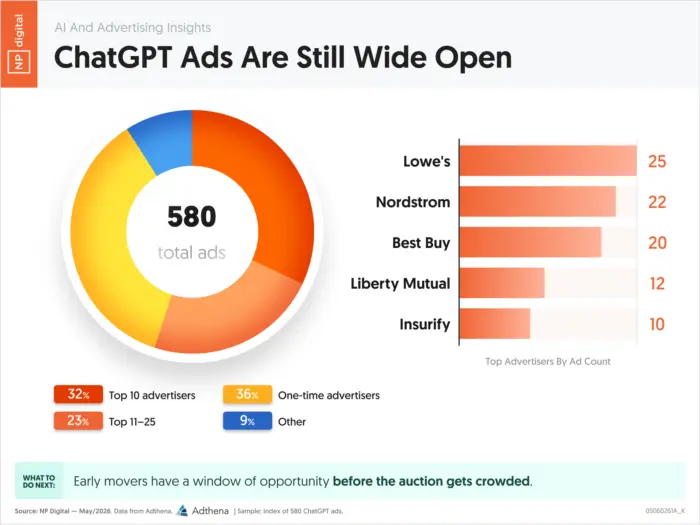
- The first-mover advantage is real, and it won’t last long if the self-service competition gets used to pricing.
The Numbers Behind the Launch
ChatGPT surpassed $100 million in annual ad revenue in six weeks, which is a strong opening number alone. The context makes it stand out more. That number came from less than 20 percent of eligible users who see ads every day. With about 85 percent of users in the free tier and eligible to see ads, the platform is running at a fraction of its capacity at the end.
OpenAI launched its automated Ads Manager in early May 2026, removing the minimum spend threshold that has locked most advertisers out. During the pilot phase, entry required a minimum commitment of $50,000, which limited access to major brands and agency partners including Dentsu, Omnicom, Publicis, and WPP.
The source
That barrier is gone. Any US business can sign up, set their own budget, and launch campaigns without going through a partner agency.
The platform also adds CPC and CPM bidding options alongside conversion tracking, pixel-based measurement, and attribution capabilities. That infrastructure change is important. It transforms ChatGPT advertising from a testable awareness product into a channel that can measure performance, which allows the ad ecosystem to grow optimally.
Local expansion is already underway, with OpenAI confirming releases in Canada, Australia, New Zealand, United Kingdom, Japan, South Korea, Brazil, and Mexico. For international marketers, the time to start building familiarity with the platform is now, before it reaches your market.
Why This Channel Works Differently
Throwing your existing search or social media into ChatGPT and expecting it to work is a mistake. Nature is very different.
ChatGPT is a chat platform. Users have a conversation, ask follow-up questions, get integrated answers, and make decisions based on what’s available in the environment. When someone clicks on a Google ad, they are usually at the beginning or middle of their research journey. If someone comes across an ad on ChatGPT, they have already spent time in a specific conversation, which many times has reduced their problem. AI has done the job of teaching and comparing. The user is ready for a specific answer or solution.
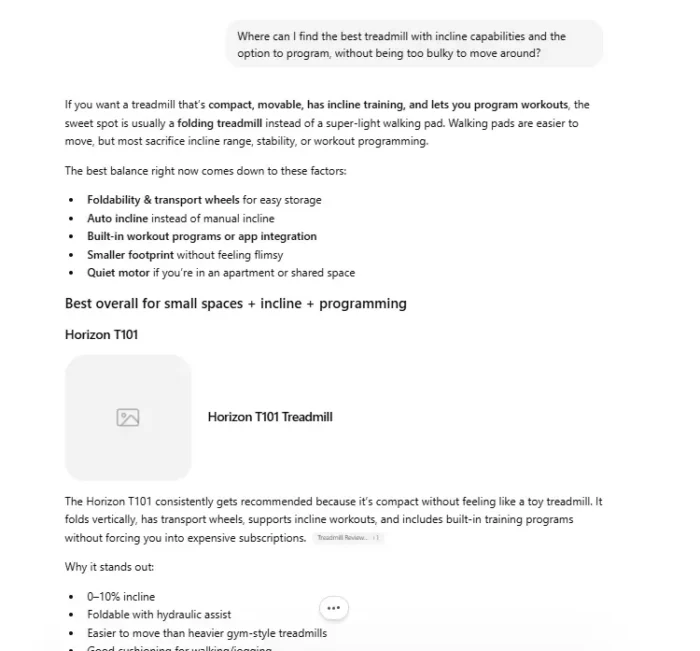
That depth of targeting is what makes ChatGPT advertising different from display or social. It also means that landing pages and creative designed for high traffic will not perform well. A user who comes from a ChatGPT ad is in the decision process rather than most of your paid traffic. Your messages and destination should match where they are.
The targeting model is also different. ChatGPT uses content matching based on current chat topics, past chat history, and previous ad interactions instead of targeting common keywords or statistical signals. That combination of conversational depth and behavioral context creates a quality signal of intent that search and social media can’t fully replicate.
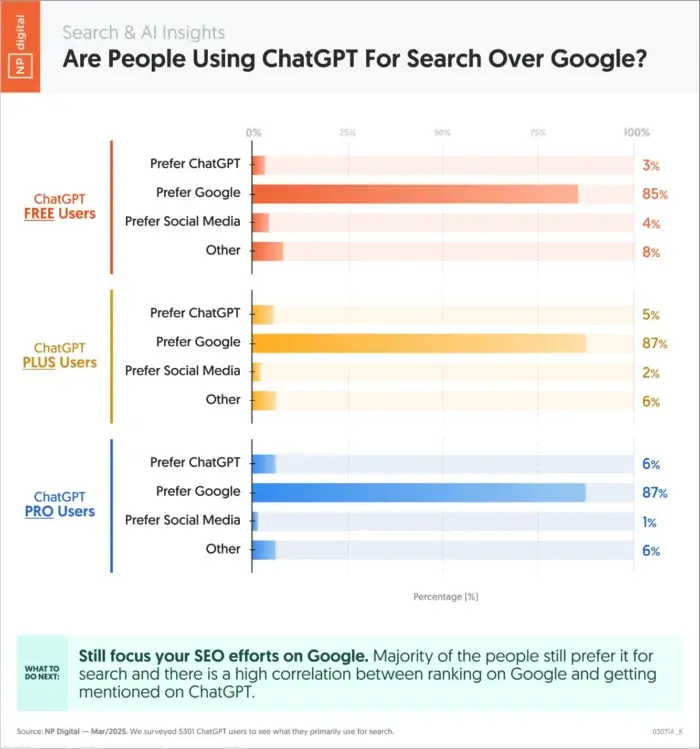
OpenAI has been closely tracking ad quality. Less than seven percent of ads are currently rated as relevant by users, and the company says improving that metric along with user trust is a top priority. Early test results showed no negative impact on consumer loyalty metrics and low ad abandonment rates, which OpenAI interpreted as signs of continued expansion.
Two Ad Formats Are Currently Working
Two formats are currently live within ChatGPT. Both appear under AI feedback, clearly labeled sponsored and visually separated from natural feedback.
The first is a shopping product carousel with checkout integration. This format is well suited for ecommerce brands that sell products with clear visual appeal and direct shopping methods.
The second is a chat banner that includes a call to action and an “Ask ChatGPT about this ad” button. When a user clicks that button, they enter a conversation powered by information the advertiser already has: product details, FAQs, and service details. ChatGPT answers user questions on behalf of the brand using that uploaded data. A user asking about price, size, or features gets a direct, knowledgeable answer to the product without leaving the forum. This format is particularly powerful in high-concept buying and B2B segments where questions are complex and the buying cycle is long.
When the First Chance Is So Clear
The segments with clear early opportunities are those where users are already turning to ChatGPT for research and decision making. B2B software, professional services, financial products, health and wellness, travel and hospitality, and thoughtful consumer purchases all fit that profile. These are the stages where the purchase decision is complex, the context of the conversation is rich, and users ask detailed questions across multiple sessions.
High-concept e-commerce also works well, especially when users compare information or ask AI to explore options. Brands selling merchandise or low-price impulse buys will find audio cues low, at least in the early stages before format options expand.
Start by identifying specific questions that users ask on ChatGPT that are related to what you sell. Use ChatGPT itself to research those questions: the language the AI naturally uses to discuss your category is to preview the context in which your ads will appear. Match your messages to that language. Those query times equate to high-intent keywords in early search, and right now the bidding pressure around them is low.
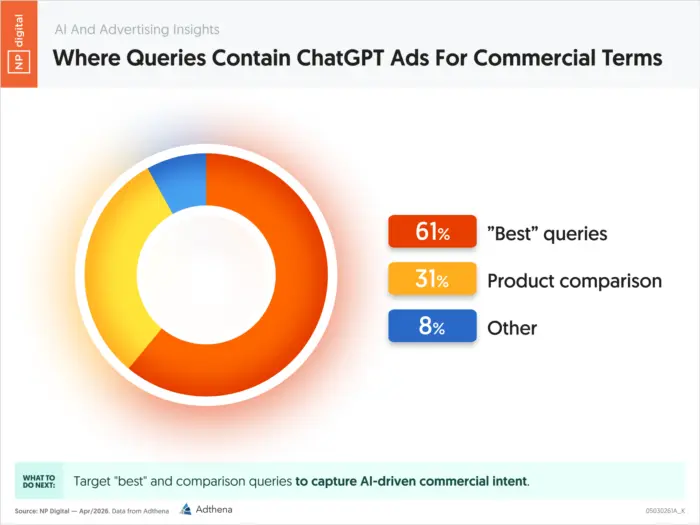
Set a budget for testing and treat it like an education. A modest budget in the first months of personal access should be viewed as learning what works in conversational ad contexts, not as a channel that is expected to deliver strong ROAS immediately. The data you build now will be as important as the field scales.
Big Picture
The introduction of ChatGPT advertising is part of a wider change in the way acquisition works. The platform now processes 2.5 billion pieces of information daily from 800 million weekly active users. That’s not a niche experiment. Common consumer behavior that brands must account for.
Adherence to early search advertising is not a stretch. Google Ads in 2002, Facebook Ads in 2007, and ChatGPT Ads in 2026 follow a similar pattern: reach was limited at first, costs were low, and brands delivered early structural advantages that were compounded over time. OpenAI is targeting $2.5 billion in ad revenue by 2026, with a long-range projection of $100 billion by 2030. In context, AI-driven search ads are expected to reach $26 billion by 2029, equivalent to 13.6 percent of all US ad spending.
The early adoption window for low competition is now open. It won’t always be like that.
Frequently Asked Questions
Do ChatGPT ads affect what the AI says in its responses?
No. OpenAI has been clear on this point: ads do not affect ChatGPT responses. Sponsored content is always visually distinct from organic feedback and clearly written. Advertisers receive only limited performance data. Individual conversations remain confidential.
Who can see ChatGPT ads?
Currently, ads are shown to older users signed in to the Free and Go plans only. Users on the Plus, Pro, Business, Enterprise, and Education plans do not see ads. That means a potential audience of tens of millions of people in the free version of ChatGPT.
How is ChatGPT’s ad targeting different from Google or Meta?
ChatGPT targets based on current chat context, past chat history, and previous ad interactions rather than demographics or keywords. This gives you access to a deeper intent signal than behavior-based targeting can provide.
How should my landing page look for ChatGPT traffic?
You don’t like a generic homepage. Users arriving from ChatGPT ads already have a specific, contextual conversation. Your landing page should acknowledge that context directly: match the problem they’re discussing, provide a specific answer or solution they’re looking for, and make the next step clear.
{ “@context”: “@type”: “FAQPage”, “mainEntity”: [
{
“@type”: “Question”,
“name”: “Do ChatGPT ads affect what the AI says in its responses?”,
“acceptedAnswer”: {
“@type”: “Answer”,
“text”: “
No. OpenAI has been explicit on this point: ads do not influence ChatGPT’s answers. Sponsored content is always visually separated from the organic response and clearly labeled. Advertisers receive only aggregated performance data. Individual conversations stay private.
”
}
}
, {
“@type”: “Question”,
“name”: “Who can see ChatGPT ads?”,
“acceptedAnswer”: {
“@type”: “Answer”,
“text”: “
Currently, ads are shown to logged-in adult users on the Free and Go plans only. Users on Plus, Pro, Business, Enterprise, and Education plans see no ads. That means the addressable audience is the tens of millions of people on the free version of ChatGPT.
”
}
}
, {
“@type”: “Question”,
“name”: “How is ChatGPT ad targeting different from Google or Meta?”,
“acceptedAnswer”: {
“@type”: “Answer”,
“text”: “
ChatGPT targets based on current conversation context, past chat history, and previous ad interactions rather than demographics or keywords. This gives you access to a deeper intent signal than behavioral or interest-based targeting can provide.
”
}
}
, {
“@type”: “Question”,
“name”: “What should my landing page look like for ChatGPT traffic?”,
“acceptedAnswer”: {
“@type”: “Answer”,
“text”: “
Not like a generic homepage. Users arriving from ChatGPT ads have already had a specific, contextual conversation. Your landing page should acknowledge that context directly: match the problem they were discussing, provide the specific answer or solution they are looking for, and make the next step clear.
”
}
}
]
}
The conclusion
$100 million in annual revenue from less than 20 percent of qualified users in six weeks is not a good start. When self-service rates, the minimum spend barrier is removed, and the right audience grows, those numbers go up fast.
Go early. Set benchmarks. Learn how conversational advertising works for your category. The cost of waiting is higher than the cost of testing.


