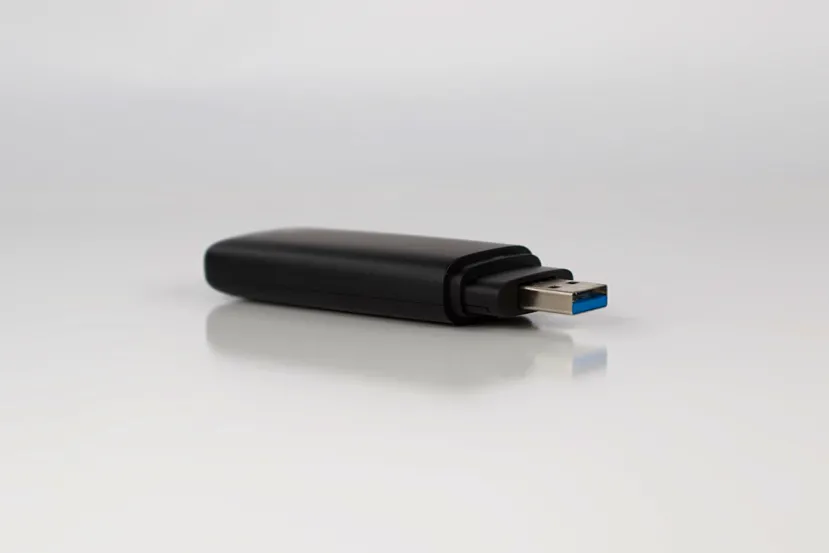
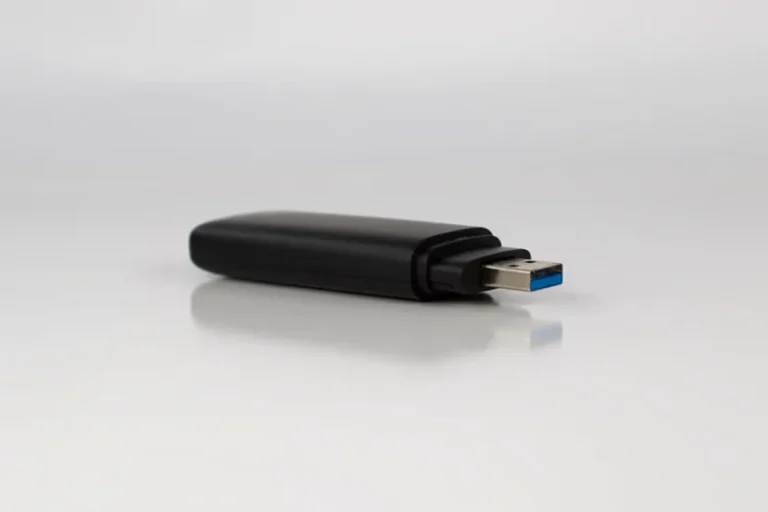
A USB flash drive is a portable storage device that uses flash memory and connects to a computer via a USB port. It is also known as a USB memory stick, memory stick, or even USB key, depending on the country or context. It is small, lightweight, and requires no batteries or additional cables to operate.
The name pendrive comes from English and refers to its size, similar to that of a pen or pencil, and its function as a storage unit, which in English we know as a drive Although it is a more colloquial term, it has become widely popular throughout the Spanish-speaking world, although, as mentioned above, in Spanish the expression lápiz de memoria (memory pencil) would be more correct
Personally, I believe that USB flash drives reached their peak popularity between 2000 and 2015, becoming one of the most common methods for transporting and sharing files. They were especially useful when internet connectivity was limited, and cloud storage solutions weren’t yet widespread. Currently, their use is less common in favor of services like Google Drive, Dropbox, and iCloud.However, they remain very useful in environments where data needs to be physically moved or where a stable internet connection is unavailable.
Most flash drives use the standard USB connector, known as USB-A, which is the most common on desktop and laptop computers. However, there are also models with USB-C, compatible with more modern devices such as mobile phones, tablets, and ultra-thin laptops. Some even incorporate a dual interface for greater compatibility.
The technology behind these devices is flash memory, a type of non-volatile storage that retains data even when not connected to a power source. It has no moving parts, is shock-resistant, and allows for many rewrites, making it a relatively reliable and long-lasting storage option.