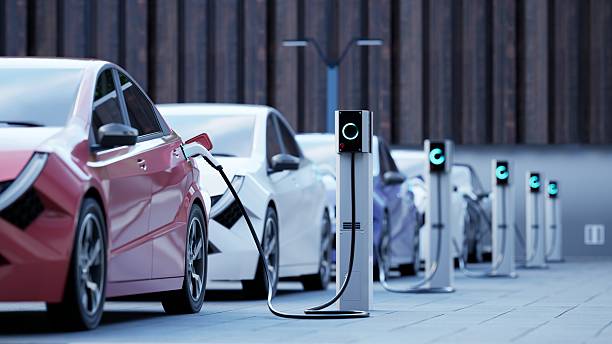
There is change happening on the East African transport scene. In the busy roads of Nairobi, the scenic highways of Kigali, and even in the rapidly developing industrial zones of Dar es Salaam, there is a revolution going on. The electric vehicle (EV) is emerging as a real thing rather than just a concept.
As East African nations strive for sustainable development, economic efficiency, and reduced carbon footprints, the transition to e-mobility has become a focal point for governments and private entrepreneurs alike. In this guide, we explore how EVs are being used today, the challenges they face, and why the future of transport in East Africa is undeniably electric.
The Current State of E-Mobility in East Africa
For years, East Africa relied heavily on imported fossil-fuel-powered vehicles, often older models that contributed significantly to air pollution. However, the paradigm is shifting. The e-mobility sector here is unique because it isn’t just about high-end electric cars like Tesla; it is about two-wheelers (boda-bodas) and three-wheelers (tuk-tuks).
Why Two- and Three-Wheelers?
In countries like Kenya, Uganda, and Rwanda, the motorcycle taxi sector (boda-boda) employs millions. Switching these to electric offers three distinct advantages:
- Lower Operating Costs: Electricity is significantly cheaper than petrol.
- Health Benefits: Reduced tailpipe emissions improve urban air quality.
- Noise Reduction: Electric motors operate near-silently, reducing noise pollution in crowded city centers.
Key Players and Success Stories
1. Rwanda: Leading the Policy Charge
Rwanda has become a regional pioneer by offering tax incentives for electric vehicle imports and establishing a sophisticated battery-swapping infrastructure. Companies like Ampersand have revolutionized the motorcycle taxi industry by providing affordable electric bikes and a “battery-swap-as-a-service” model.
2. Kenya: The Hub of Innovation
Nairobi is arguably the Silicon Savannah of e-mobility. Companies like Roam (formerly Opibus) and BasiGo are manufacturing electric buses and retrofitting existing fleets. The move toward electric public transport (matatus) is a game-changer for Nairobi’s traffic density and pollution levels.
3. Uganda: Local Manufacturing
Uganda has taken a bold step with the Kiira Motors Corporation, which produces the “Kayoola” electric bus locally. By focusing on homegrown manufacturing, Uganda is not just adopting technology; it is building an industrial base for the future.
Comparative Analysis: Electric vs. Internal Combustion Engines (ICE)
To understand why the shift is happening, we must look at the data.
| Feature | Electric Vehicle (EV) | Petrol/Diesel Vehicle (ICE) |
|---|---|---|
| Fuel Cost per KM | Low (Electricity is efficient) | High (Fluctuating oil prices) |
| Maintenance | Minimal (Few moving parts) | Great (Regular oil/filter changes) |
| Environmental Impact | Zero Tailpipe Emissions | High Carbon Footprint |
| Noise Level | Very Low | High |
| Charging Time | 30 mins (fast) to 6 hours | 5 minutes (Fueling) |
(Table 1: Comparison of EV and ICE vehicles in the East African context)
Challenges Facing the EV Transition
While the trend is positive, the road to total electrification is not without potholes.
1. Infrastructure Gaps
The most significant hurdle is the lack of ubiquitous charging stations. While battery swapping is a viable solution for motorcycles, charging infrastructure for private cars and commercial trucks remains underdeveloped.
2. Reliable Electricity Supply
EVs are only as clean as the grid that powers them. While countries like Ethiopia and Kenya have high rates of renewable energy (hydro, geothermal, and wind), the stability of the grid remains a concern. Frequent power outages can disrupt charging and logistics.
3. High Initial Capital
Even with lower long-term operating costs, purchasing an EV often requires a higher upfront investment than buying a used petrol vehicle. Innovative financing models, such as “Pay-As-You-Go” (PAYG), are essential to bridge this gap for low-income earners.
The Economics of E-Mobility: Why Now?
Data from the International Energy Agency (IEA) suggests that the total cost of ownership (TCO) for electric two-wheelers in East Africa is reaching parity with petrol bikes.
For a boda-boda rider in Kampala or Nairobi, spending money on fuel is the single largest daily expense. By switching to an electric bike, riders can save up to 40% on their daily costs. This increases the disposable income of families and boosts the local economy.
Future Outlook: What to Expect by 2030
The future of East African transportation will likely be defined by three major trends:
1. Integration with Renewable Energy
As the region continues to tap into solar and wind power, the “greening” of the transport grid will accelerate. Expect to see “Solar-Powered Charging Hubs” popping up along major highways.
2. The Rise of Electric Public Transport (e-BUS)
The matatu and bus sectors are ripe for disruption. As BasiGo and other providers scale their operations, we will likely see fewer diesel buses in city centers, leading to a massive drop in smog levels in cities like Dar es Salaam.
3. Circular Economy for Batteries
The environmental impact of lithium-ion batteries is a valid concern. Future policies will likely mandate battery recycling programs, turning the end-of-life battery issue into a business opportunity for local tech startups.
Policy Recommendations for Growth
For East African countries to lead the global EV conversation, the following steps are vital:
- Harmonization of Standards: Ensuring that charging ports and battery types are compatible across borders (EAC integration).
- Import Duty Waivers: Removing taxes on imported EV components to lower the price for consumers.
- Green Bonds: Governments should issue green bonds to fund the construction of national charging grids.
Conclusion: A Greener Horizon
The shift toward electric vehicles in East Africa is not just a technological upgrade; it is a necessity for sustainable development. By reducing reliance on expensive, imported fossil fuels, East African nations are reclaiming their economic independence and protecting their natural environment.
While the transition presents challenges, the speed of innovation from local startups and the supportive regulatory frameworks from governments suggest that East Africa is on the right track. As we look toward the next decade, the buzzing, emission-heavy streets of our capital cities may soon be replaced by the quiet hum of progress.
Are you ready for the electric transition? Whether you are a business owner looking to lower costs or a commuter wanting cleaner air, the future is already here.
Disclaimer: This article provides information based on current industry trends. As technology evolves, infrastructure and policy frameworks in East Africa may change significantly.
About the Author