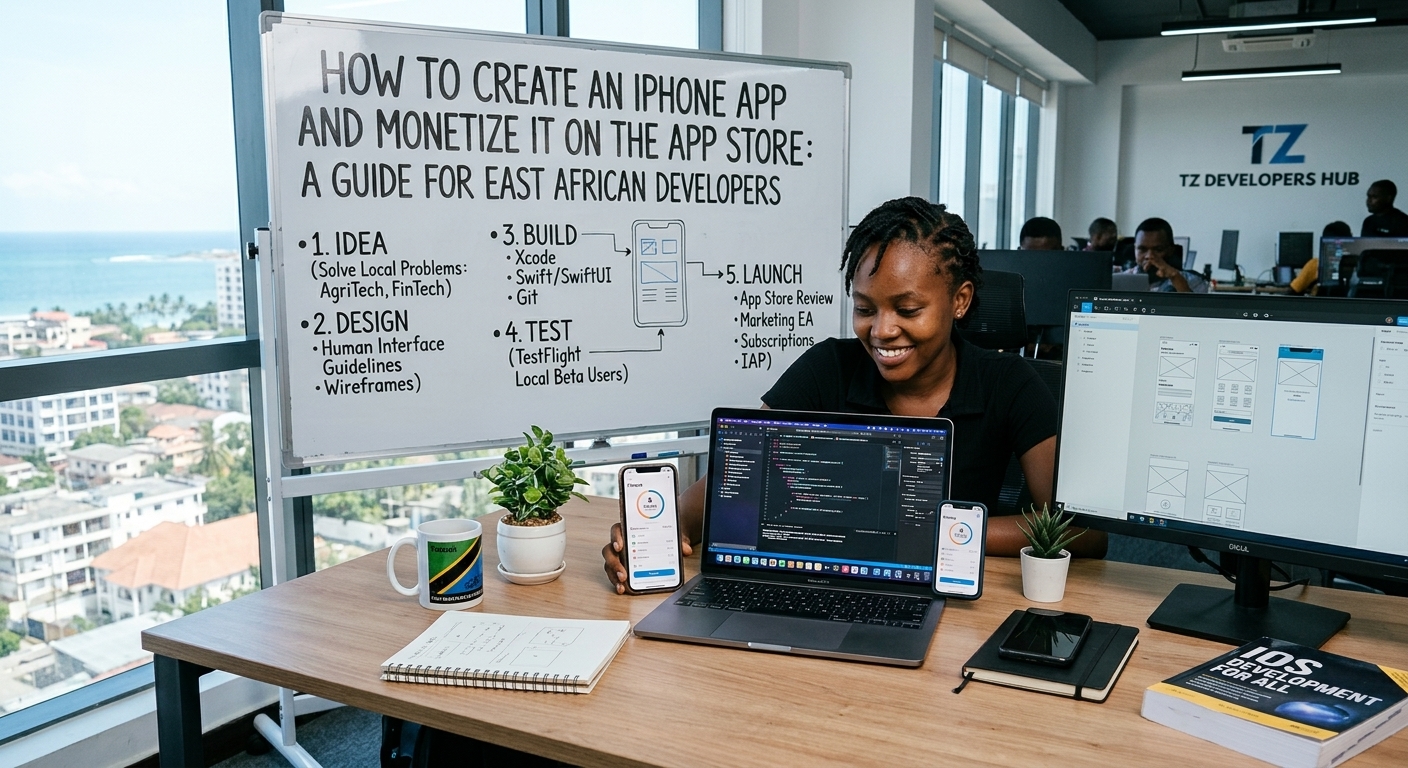
One of the most important stages of mobile app development is publishing. Those developing iOS apps will need to learn the intricacies of Apple Developer. The platform is fairly easy to use, but developers and tech studios across East Africa—from Nairobi and Dar es Salaam to Kampala and Kigali—may encounter specific infrastructure and payment gateway nuances when publishing their product.
Hello everyone! The Easy Payments team is here.
In this article, we’ll explore how to create an iPhone app, the steps involved, the practical realities East African developers face, and how to build monetization that successfully targets both local mobile wallets and international markets.
Why iOS Apps are in Demand Among Developers
Developing products specifically for iOS is increasingly attractive to East African developers, primarily due to. Here is the rewritten article, localized for developers, startups, and tech founders across East Africa (Tanzania, Kenya, Uganda, Rwanda, and beyond).
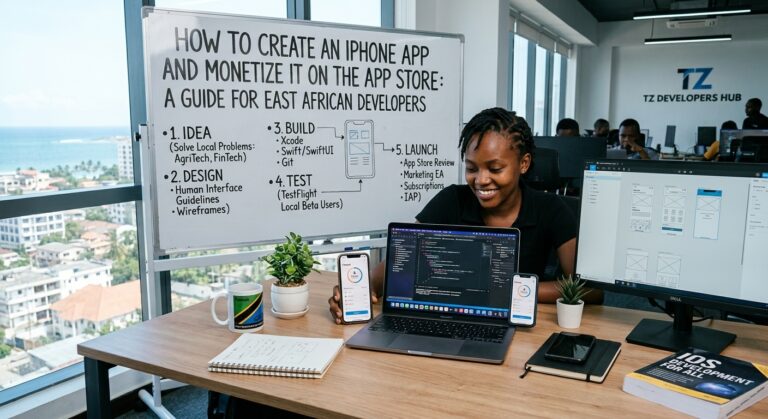
How to Create an iPhone App and Monetize It on the App Store: A Guide for East African Developers
One of the most important stages of mobile app development is publishing. Those developing iOS apps will need to master the intricacies of Apple Developer. While the platform is relatively straightforward, East African developers and digital product studios often face unique challenges when monetizing their products locally and scaling internationally.
Hello everyone! The Easy Payments team is here.
In this article, we’ll explore how to create an iPhone app, the essential steps involved, the practical hurdles East African developers navigate, and how to structure cross-border monetization—including tapping into global markets.
Why iOS Apps are a Strategic Move for East African Developers
While Android currently dominates regional market share in Sub-Saharan Africa, developing products specifically for iOS offers high-yield monetization opportunities:
-
Higher Purchasing Power: Worldwide, iOS users consistently demonstrate a higher propensity to pay for digital services and subscriptions. According to Apple, the App Store is visited by over 850 million people weekly, with developers earning over $550 billion since 2008.
-
Expanding Local Premium Segments: In tech hubs across Nairobi, Dar es Salaam, Kampala, and Kigali, iOS adoption is steadily growing among professionals, corporate users, and high-income demographics.
-
Streamlined Tech Stack: Apple’s unified environment features fewer device configurations than Android, making testing, UI adaptation, and updates far easier to maintain for small tech teams or solo founders.
-
Trust & Quality Assurance: Apple’s strict App Store Review Guidelines foster strong trust, leading to better conversion rates for paid utilities and financial tools.
-
Gateway to Global Revenue: Building for iOS positions your product to seamlessly scale into North American, European, and Gulf markets, where iOS holds dominant market shares.
Developing for iOS isn’t just a technical decision—it’s a commercial bridge connecting East African talent with global venture opportunities and high-paying audiences.
Navigating Financial & Regional Infrastructure in East Africa
While developers across East Africa can easily register as an individual Apple Developer, scaling an international SaaS or mobile app brings financial nuances to consider:
-
Merchant Payment Gateways: Integrating seamless local payment rails alongside global Apple In-App Purchases (IAP) requires planning. While local users often prefer direct mobile money options (like M-Pesa, Airtel Money, or Tigo Pesa) for web services, App Store subscriptions rely strictly on linked card rails or Apple ID balances.
-
International Payouts & Corporate Structuring: Receiving direct payout transfers from Apple into local USD or regional currency bank accounts can incur high wire transfer fees and currency conversion losses. To build a frictionless international operation, many regional tech founders establish offshore corporate structures (in markets like the UK, US, or Delaware) connected to international merchant platforms.
-
Subscription Payment Methods: Ensuring your business account has international VISA/MasterCard capability enabled is essential for paying the $99/year Apple Developer Program fee without transaction rejections from local issuer banks.
Our team specializes in assisting founders across the region with international business setup, international corporate banking setups, and seamless integration strategies for developer tools.
Step-by-Step Process for Developing an iOS App
A structured approach helps solo developers and boutique studios minimize burn rates and launch faster.
1. Formulating the Core Value Proposition
Identify whether your app is a standalone SaaS product, an e-commerce platform, or a localized solution (such as agritech, fintech, or logistics). Define your Minimum Viable Product (MVP) focus: solve one core problem exceptionally well before expanding feature sets.
2. Choosing a Development Architecture
Decide between:
-
Native Swift / SwiftUI: Maximum performance, best UI responsiveness, and seamless access to iOS system APIs.
-
Cross-Platform Frameworks (Flutter / React Native): Ideal for small teams building simultaneously for Android and iOS using a unified codebase.
3. User Interface (UI) & User Experience (UX)
Design clean, modern interfaces using tools like Figma or Sketch. Adhere strictly to Apple’s Human Interface Guidelines (HIG) to prevent rejections during moderation. Focus first on user onboarding, main dashboard views, and clear checkout flows.
4. Implementation of Core Features & Monetization
Build out foundational elements:
-
Secure authentication (Sign in with Apple, Social Login, Email).
-
Push notification services.
-
In-App Purchases (IAP) or subscription logic using frameworks like StoreKit or RevenueCat.
-
Privacy disclosures and terms consent mechanisms.
5. Testing via TestFlight
Before submitting for public review, distribute internal and beta builds through Apple’s official tool, TestFlight. Test across multiple physical iPhone models to verify responsive layouts, network performance under variable connection speeds, and memory usage.
Optimizing for Global Markets and Fund Withdrawal
If your app target extends beyond local East African borders, localized user acquisition is critical:
-
Multi-Currency Pricing & Localization: Use App Store Connect to configure regional tier pricing. Adapt your app UI with multiple language options (e.g., Swahili, English, French).
-
International Corporate Structuring: Setting up a global business entity (e.g., UK LTD or US LLC) combined with modern fintech business accounts allows East African founders to receive App Store proceeds in hard currencies smoothly, reducing intermediate banking fees and streamlining foreign exchange management.
Avoiding Pitfalls on the Way to Publication
Navigating privacy compliance, preparing App Store assets, configuring tax forms in App Store Connect, and setting up proper subscription terms can feel daunting for first-time publishers.
To ensure your application passes Apple’s review process cleanly without rejection cycles, follow established publication checklists and structure your legal and payout profiles early.
If you need guidance on international business registration, banking setup, or optimizing your Apple Developer account for global payouts, reach out to our team via our website or messaging channels.
About the Author