In the bustling streets of Nairobi, the tech-savvy hubs of Dar es Salaam, and the rapidly growing markets of Kampala, a digital revolution is taking place. East Africa is no longer just a consumer of global technology; it is becoming a powerhouse of innovation and a unique landscape for smartphone and gadget trends.
For businesses, tech enthusiasts, and everyday consumers, understanding where the market is headed is essential. In this comprehensive guide, we will dive deep into the trends shaping the East African gadget ecosystem, why they matter, and what to expect in the coming years.
The Rise of the Affordable Smartphone: The “Entry-Level” Shift
For years, the global market focused on flagship phones—devices costing upwards of $1,000. However, in East Africa, the primary trend is the democratization of access.
Most consumers in Kenya, Tanzania, Uganda, and Rwanda are looking for value. They want devices that offer a “flagship feel” at a fraction of the cost. Brands like Transsion Holdings (Tecno, Infinix, and Itel) have dominated this space by listening to local needs.
Why Affordable Devices are Winning:
- Battery Life: Power stability remains a concern in many regions. Phones with 5,000mAh batteries and fast-charging capabilities are non-negotiable.
- Camera Quality: With the rise of social media influencers and small business owners using platforms like Instagram and TikTok for marketing, high-quality cameras at an entry-level price point are a massive selling point.
- Local Customization: Manufacturers are integrating local languages and pre-installing popular regional apps, making these devices feel “at home” the moment they are unboxed.
Connectivity Trends: From 4G to the 5G Horizon
Internet connectivity is the backbone of the East African gadget market. The transition from 3G to 4G was a game-changer, but 5G is the current frontier.
While 5G is currently limited to major urban centers like Nairobi and Kigali, its influence on the gadget market is profound. Consumers are now looking for “future-proof” features. Even if they don’t have a 5G signal today, they want a device that supports it for when the infrastructure catches up.
Table: Comparison of Connectivity Trends in East Africa
| Feature | Past Trend (3G Era) | Present Trend (4G/5G) | Future Trend (IoT/AI) |
|---|---|---|---|
| Primary Use | Calls & SMS | Video Streaming & Social Media | Smart Home & Remote Work |
| Device Focus | Basic Feature Phones | Budget Smartphones | High-Performance 5G Devices |
| Data Cost | Very High | Moderately Affordable | Expected to Decrease |
| Connectivity | Wi-Fi hotspots rare | 4G Standard | Seamless 5G & Satellite Integration |
The Growth of “Refurbished” and Second-Hand Tech
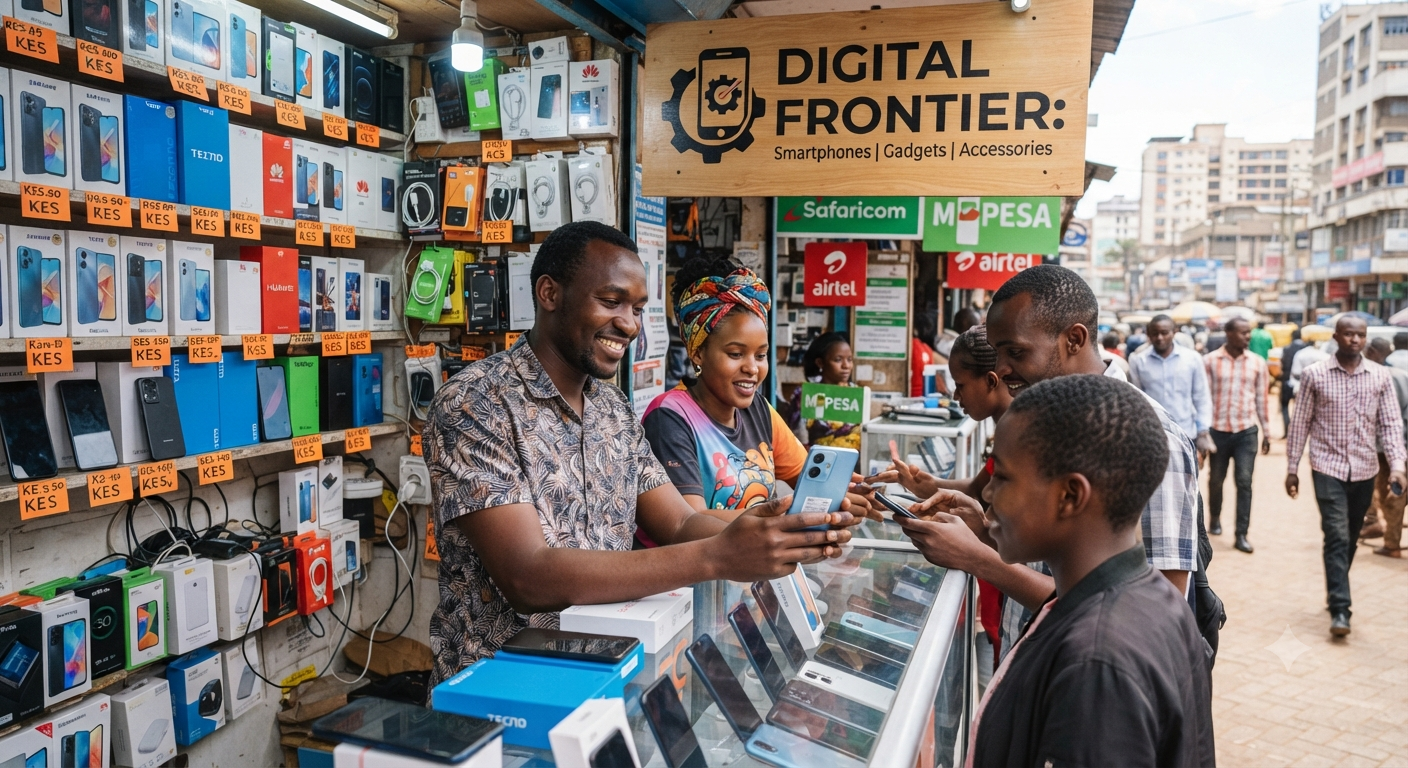
One of the most defining characteristics of the East African gadget market is the thriving secondary market. Many consumers prefer buying high-end, refurbished devices (like older iPhones or Samsung Galaxy S-series) over brand-new budget phones.
This trend is driven by:
- Sustainability: People are becoming more conscious of the environment.
- Value for Money: A high-end phone from three years ago often outperforms a budget phone released today in terms of processor speed and camera quality.
- Specialized Retailers: Companies like Back Market or local certified resellers are making it safer to buy refurbished gear, reducing the risk of buying “fake” or faulty items.
Wearables: Beyond the Smartphone
It isn’t just about the phone anymore. We are seeing a massive surge in the demand for smart wearables.
Smartwatches and fitness trackers are no longer luxury items for the elite; they are becoming essential tools for health monitoring. In East Africa, where interest in fitness and wellness is skyrocketing, gadgets that monitor heart rate, step counts, and sleep patterns are flying off the shelves.
- Example: Huawei and Xiaomi have successfully captured this market by offering affordable smartbands that sync seamlessly with budget smartphones, allowing users to track their activity without spending a fortune.
E-Commerce and the “Buy Now, Pay Later” (BNPL) Boom
How are people buying these gadgets? The traditional brick-and-mortar store is still king, but e-commerce platforms like Jumia and Kilimall have changed the game.
The most significant driver of gadget sales in the region today is the “Buy Now, Pay Later” (BNPL) model. Services like Lipa Pole Pole (pay slowly) allow consumers who cannot afford a smartphone upfront to pay in installments. This has unlocked millions of buyers who were previously excluded from the digital economy.
Solar-Powered Gadgets: A Regional Necessity
East Africa is blessed with abundant sunshine, and gadget manufacturers are taking notice. We are seeing a rise in:
- Solar Power Banks: Essential for rural areas or long commutes.
- Solar-Charged Lighting: Often paired with mobile charging capabilities.
- Off-Grid Home Solutions: Devices that help run small businesses, such as solar-powered printers and Wi-Fi routers.
The Future: What to Watch For
As we look ahead, three trends will dominate the East African tech scene:
1. Artificial Intelligence (AI) Everywhere
AI isn’t just for big tech companies. We will see AI-integrated cameras in budget phones (for better low-light photos) and AI-driven apps that help with local farming, finance, and health consulting.
2. The Rise of Local App Ecosystems
The hardware is only as good as the software. We anticipate more local developers building apps that solve regional problems—whether it’s logistics apps for Boda-Boda drivers or mobile-money-integrated marketplaces.
3. Increased Focus on Cybersecurity
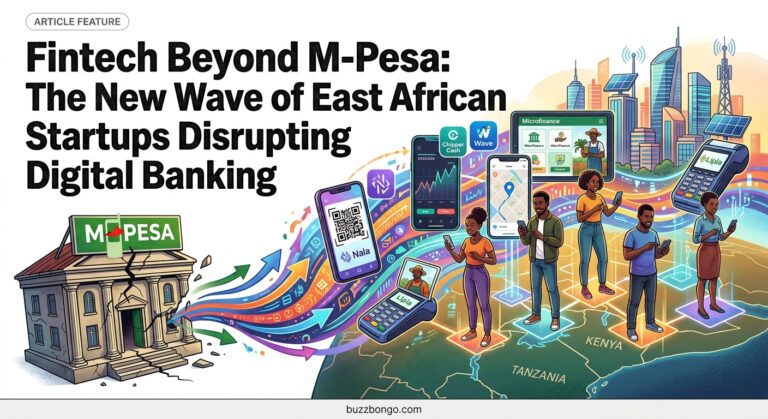
As more people move their financial lives to their smartphones (via Mobile Money like M-Pesa), the demand for secure devices will grow. We expect to see more mid-range phones including advanced biometric security features like fingerprint scanners and facial recognition as standard.
Conclusion: Adapting to the Digital Wave
The East African gadget market is vibrant, resilient, and fast-moving. It is a market that values practicality over prestige and community over global status symbols.
Whether you are a consumer looking for your next upgrade or a business looking to enter this territory, the key is to prioritize accessibility, durability, and local relevance. The future of tech in East Africa is bright, and it is being built one smartphone at a time.
Quick Tips for Buying Gadgets in East Africa
- Check for Warranty: Always buy from authorized dealers to ensure you have a warranty.
- Research the Network: Before buying a 5G phone, check if your local service provider (e.g., Safaricom, MTN, Airtel) has coverage in your area.
- Join Local Tech Forums: Online communities on Reddit or Facebook are great places to get honest reviews on how specific gadgets perform in your local environment.
Did you find this guide helpful? Stay tuned to our blog for more updates on the evolving tech landscape in East Africa!
About the Author