East Africa is no longer just “catching up” to the rest of the world; it is leapfrogging traditional technological development stages to become a global hub for innovation. From the bustling tech corridors of Nairobi’s “Silicon Savannah” to the burgeoning startup scenes in Kigali, Dar es Salaam, and Kampala, the region is witnessing a digital transformation that is as rapid as it is profound.
As connectivity improves and a young, tech-savvy population enters the workforce, East Africa is positioning itself as a leader in fintech, agritech, and sustainable energy. In this comprehensive guide, we explore the primary technology trends currently shaping this dynamic region.
1. The Proliferation of Fintech and Embedded Finance
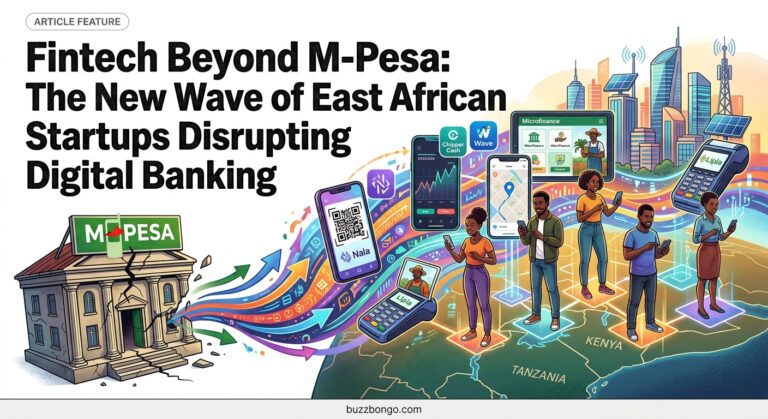
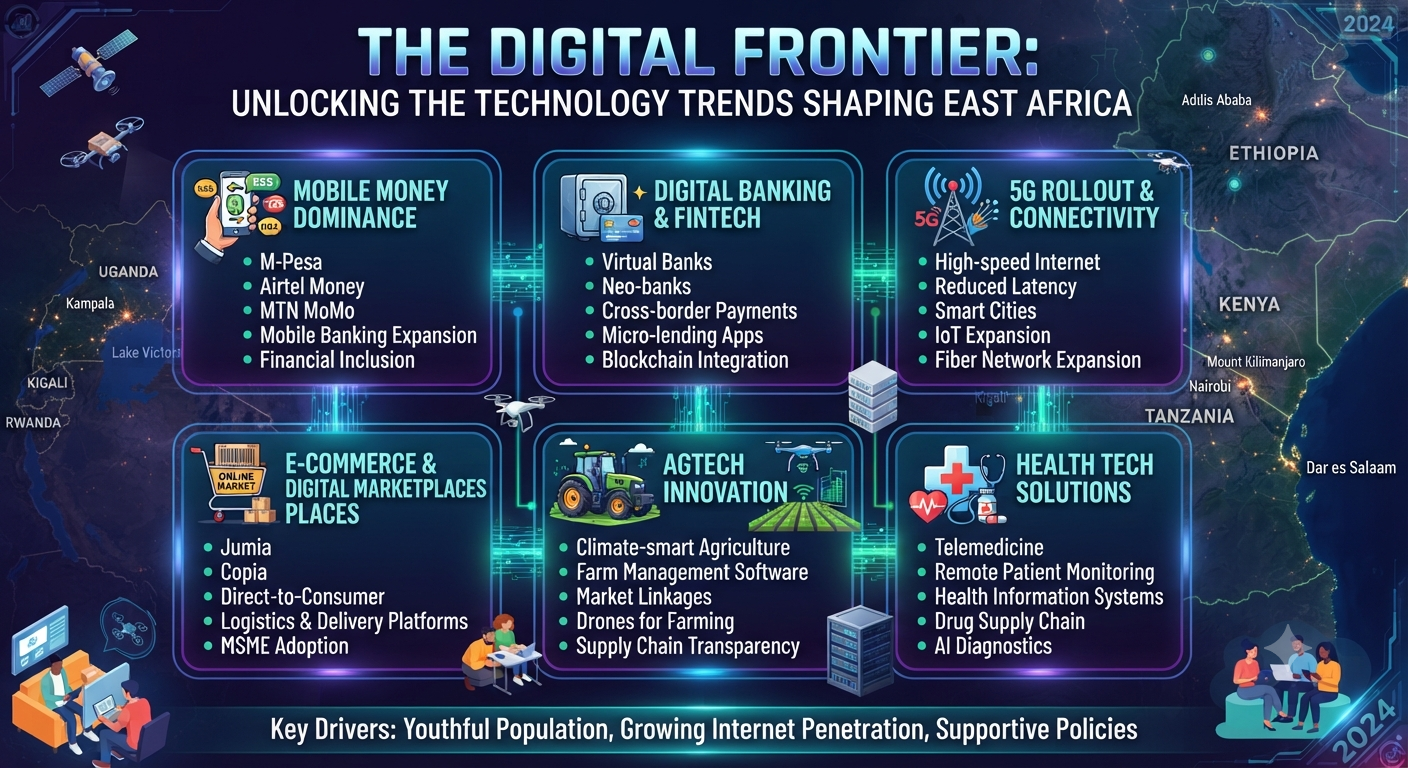
Fintech remains the undisputed heavyweight champion of the East African tech landscape. While M-Pesa put the region on the map years ago, the current trend isn’t just about mobile money; it’s about the integration of financial services into everyday life.
Beyond Mobile Money
Modern fintech in East Africa is evolving toward:
- Digital Lending: AI-driven platforms are providing credit scores and instant loans to small and medium enterprises (SMEs) that previously lacked traditional banking profiles.
- Cross-Border Remittances: Decentralized finance (DeFi) and blockchain-powered solutions are lowering the cost of sending money across borders within the East African Community (EAC).
- Embedded Finance: Non-financial platforms—such as ride-hailing apps and e-commerce sites—are now offering integrated insurance, credit, and savings products.
2. Agritech: Feeding the Future
Agriculture is the backbone of East African economies. As climate change poses significant risks to subsistence farming, technology is stepping in to improve yields, supply chain efficiency, and market access.
- Precision Farming: Farmers are increasingly using IoT (Internet of Things) sensors to monitor soil moisture, temperature, and crop health.
- Marketplace Platforms: Apps are connecting farmers directly to urban consumers, eliminating predatory middlemen and ensuring better profit margins for producers.
- Climate-Smart Data: Startups are using satellite imagery and predictive analytics to forecast droughts and rainfall patterns, enabling farmers to make data-driven decisions during planting cycles.
3. The Renewable Energy Revolution
East Africa is leading the charge in decentralized renewable energy. With unreliable national grids in many remote areas, the “Pay-As-You-Go” (PAYG) solar model has revolutionized electricity access.
- Solar Home Systems (SHS): Millions of households are now powered by affordable solar panels managed via mobile money payments.
- Mini-Grids: Communities are pooling resources to utilize localized solar and wind grids, reducing dependency on fossil-fuel-based generators.
- Green Hydrogen: While still in its infancy, countries like Kenya and Ethiopia are exploring the viability of green hydrogen as a sustainable fuel source for regional industrialization.
Quick Reference: Key Tech Trends in East Africa
| Trend Category | Core Technology | Primary Impact |
|---|---|---|
| Fintech | Blockchain, AI, Mobile Payments | Financial inclusion & credit access |
| Agritech | IoT, Satellite Analytics, SaaS | Increased yields & supply chain transparency |
| Energy | Solar & PAYG Models | Rural electrification & sustainability |
| Logistics | Drones & Last-Mile Apps | Overcoming infrastructure bottlenecks |
| Healthtech | Telemedicine & AI Diagnostics | Bridging the rural healthcare gap |
4. Logistics and the “Last-Mile” Challenge
One of the biggest hurdles to regional trade in East Africa is infrastructure. Technology is currently navigating these bottlenecks through innovative logistics solutions.
- Drone Delivery: In Rwanda, drone technology has transformed the medical supply chain, delivering blood and vaccines to remote clinics in minutes—tasks that would take hours by road.
- Route Optimization: Logistics startups are deploying AI to optimize delivery routes, significantly reducing fuel consumption and operational costs for logistics providers navigating congested cities like Nairobi and Dar es Salaam.
5. Healthtech: Bridging the Care Divide
The doctor-to-patient ratio in many East African nations remains a critical concern. Technology is filling the gap through:
- Telemedicine: Digital platforms now allow patients in rural villages to consult with specialists in urban hospitals via video calls.
- AI Diagnostics: AI-powered mobile apps are being used to perform rapid diagnostic screenings for conditions like malaria, skin issues, and cervical cancer, providing immediate preliminary results where laboratory services are scarce.
The Enablers: Why Now?
Several macro-factors are converging to make this acceleration possible:
A Growing Youth Demographic
East Africa has one of the youngest populations in the world. This demographic is “digital-first,” comfortable with mobile technology, and highly entrepreneurial. They are the primary architects and consumers of the region’s tech ecosystem.
Improved Connectivity
The expansion of fiber-optic cables and the rollout of 4G and 5G networks in urban centers have drastically reduced the cost of data. As internet penetration reaches deeper into rural areas, the addressable market for digital services continues to expand.
Regulatory Evolution
Governments, particularly in Kenya and Rwanda, have become more proactive in creating regulatory sandboxes. These legal “safe zones” allow startups to test innovative products—such as cryptocurrency exchanges or drone services—without being hamstrung by outdated legislation.
Challenges on the Horizon
Despite the optimism, the ecosystem faces significant hurdles:
- Digital Divide: While urban areas thrive, rural connectivity remains inconsistent.
- Cybersecurity: As digital adoption rises, so does the risk of cybercrime, necessitating robust data protection laws.
- Talent Retention: Many of the best developers and engineers are lured away by global firms. Developing local talent pipelines is crucial for long-term sustainability.
- Funding Gaps: While seed funding is growing, there is a “missing middle” in funding for startups scaling from Series A to Series C.
Conclusion: A Future Built on Innovation
The story of East Africa’s technology landscape is one of resilience and ingenuity. By identifying unique local problems—whether in banking, farming, or logistics—and applying global technologies to solve them, East African innovators are creating a blueprint that other emerging markets can follow.
As we look to the next decade, we can expect the region to move from importing technology to exporting it. The fusion of traditional local wisdom with cutting-edge digital infrastructure is not just transforming East Africa—it is creating a significant footprint in the global economy.
Are you interested in the East African tech scene? Subscribe to our newsletter for bi-weekly updates on new startup funding, regulatory changes, and exclusive interviews with the founders shaping the region.
About the Author