What is a hard drive and what is it used for?
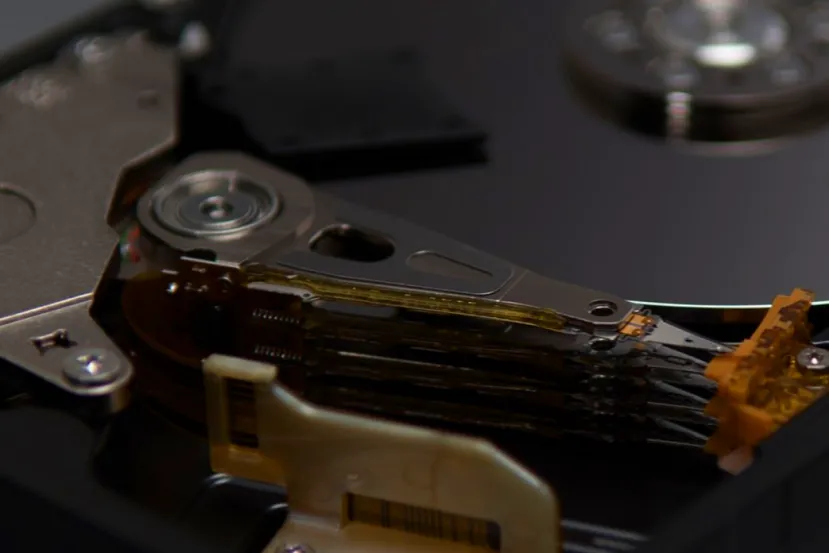
Table of Contents
ToggleWhat is a Hard Drive?
A hard drive is a storage unit where we can store our files. Being a non-volatile storage unit means that it can retain data even when not connected to a power source. The term “hard drive” has become generic, as initially storage devices with hard disks were known as physical drives, while removable drives were called soft disks. However, nowadays “hard drive” also refers to other storage units such as SSDs and some external drives.
We can say that a hard drive is the secondary storage unit in a PC, unlike many users who may think it is the main one; the main unit is the RAM.
The first hard drive appeared in the 1950s, specifically in 1956, and was created and invented by IBM with a capacity of 5 MB. Since then, they have changed considerably, and alternative methods such as SSDs, which use a cell system to store information, have even emerged. Hard drives, on the other hand, use a surface commonly called a platter, which is made of metal coated with magnetic material. This material stores information by magnetizing tiny sections of the disk with a read/write head. Information is stored by polarizing these small sections, and depending on their orientation, the system recognizes them as a 0 or a 1. To polarize these sections, a small amount of electricity is applied through the read/write head, an amount that is significantly reduced during reading so as not to affect the current data.
This technology is essentially the same as that used today, only now the manufacturing process has been greatly improved to achieve faster access times, greater capacity, and a smaller physical size. Hard drives are composed of several elements, such as the platters, where information is stored by coating them with magnetic material. Each drive typically consists of multiple platters capable of using both sides of the platter. The read /write head is responsible for recording and reading data on the hard drive, along with the other mechanical components that spin the disk and move the read/write heads on each platter, as well as the enclosure that houses it
There are two main sizes of hard drives: 3.5-inch drives, typically used in larger computers, and 2.5-inch drives, found in laptops and smaller devices. There are also other less common and practically obsolete sizes, such as the 1.8-inch drives found in some music players and larger sizes used in the past.
What is a hard drive used for?
The primary purpose of a hard drive is to store information. A hard drive can save our data even when disconnected from the power source, so they are designed to last, whether for a long or short period. Furthermore, a hard drive serves as a secondary storage unit for storing a computer’s operating system and files, regardless of size, capacity, or whether it’s installed in a desktop PC, laptop, game console, or any other device capable of reading and writing to it.
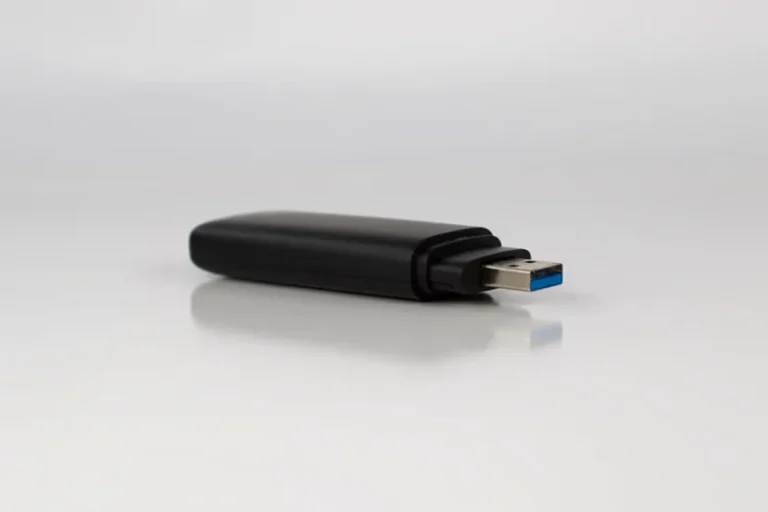
With a hard drive, you can also create backups. Since it’s a device that stores data, you can copy photos, videos, documents, and other types of files onto it that you want to keep for safekeeping, as a memento, or for any other reason, and then retrieve them later when you need them. You can connect it via an external interface ( like USB with its corresponding enclosure or an adapter), or you can also use it internally, in addition to the secondary hard drive you use as your primary drive in your computer.
About the Author

BuzzBongo Tech Team
Administrator
The BuzzBongo Tech Team is composed of seasoned professionals with decades of combined experience in hardware analysis, software architecture, and digital journalism. We don’t just report on the latest gadgets; we live, breathe, and stress-test them. Our team is driven by a singular passion: ensuring that our readers have the honest, impartial, and expert-level information they need to navigate the rapidly evolving tech landscape.https://www.buzzbongo.com/buzzbongo-tech-team