For years, Africa’s gaming community has faced a familiar frustration: incredible creative talent paired with very little financial support. Brilliant developers across the continent have had great ideas, but they have struggled to find the money, publishing help, and global reach needed to grow.
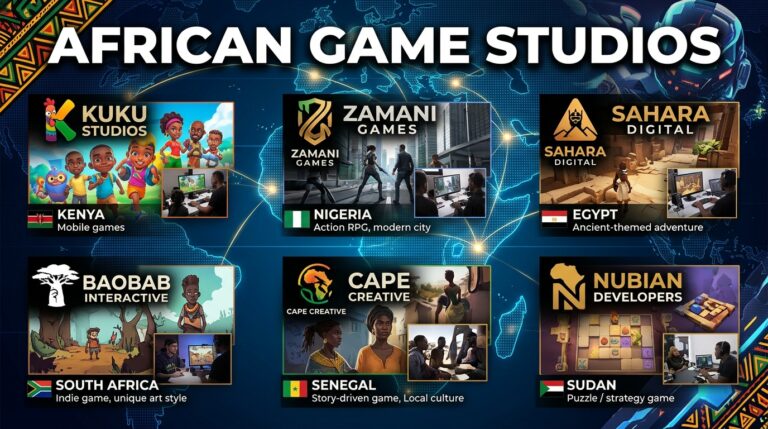
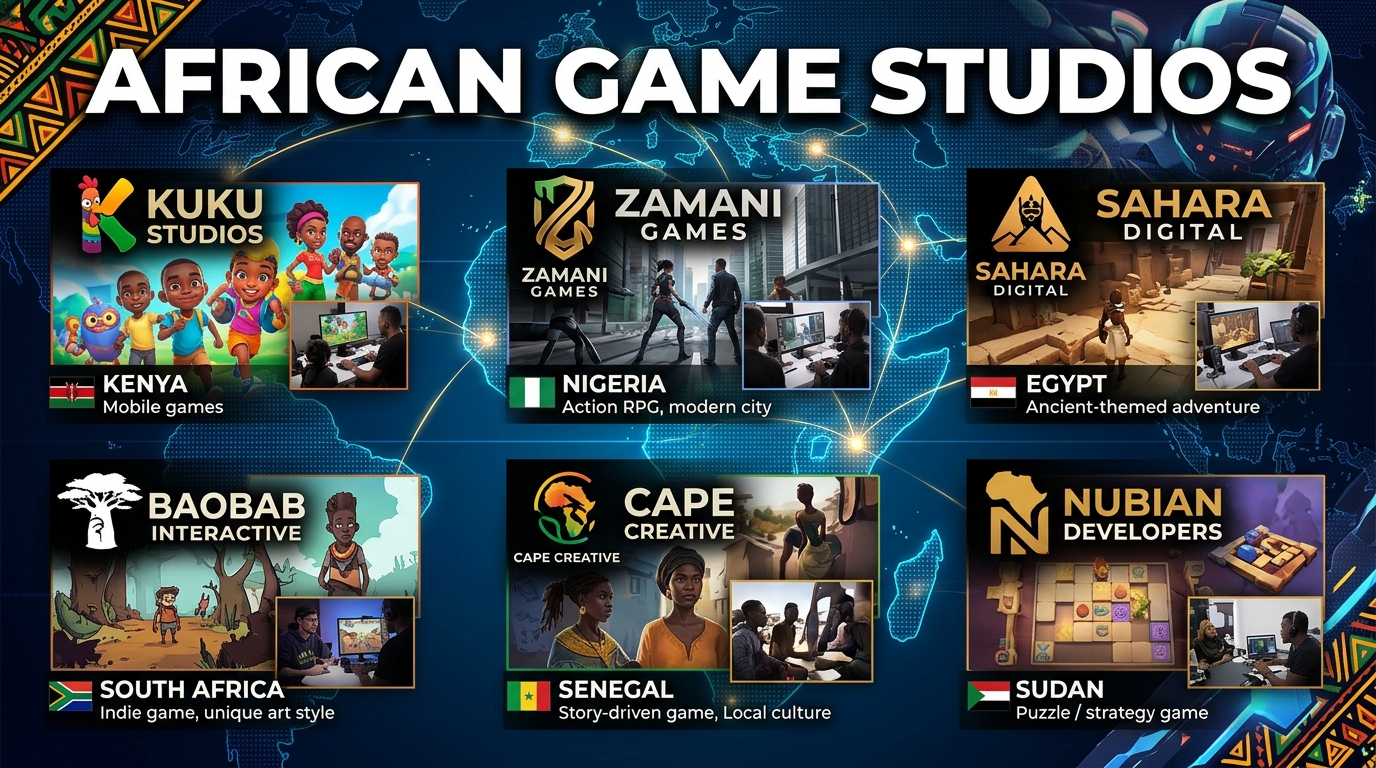
Now, that reality is starting to change. Google Play recently announced a $1 million fund to support 10 African game studios. According to a report by TechCabal, this initiative arrives at a time when the African gaming market is valued at an impressive $2.29 billion.
While $1 million spread across 10 studios may not sound massive, the symbolic and structural weight of the initiative goes far beyond the numbers. It is a clear sign that global tech giants are beginning to view African developers not just as consumers downloading apps, but as creators worth investing in.
The Big Problem: A Billion-Dollar Market with Limited Funding
The central challenge in Africa’s game development sector has always been the gap between potential and backing. On one side, you have a massive, young, and digitally connected population driving a multi-billion-dollar market. On the other side, local studios face huge hurdles just to keep the lights on.
Building a video game is not easy. It requires a mix of software engineering, creative design, digital marketing, and complex payment systems. In many African markets, developers face tough conditions:
- Scarce early-stage capital: Traditional investors often overlook gaming in favor of safer bets like fintech.
- Expensive user acquisition: Getting people to notice and download a game costs money that small teams simply do not have.
- Fragmented payment rails: Processing payments across different African countries can be a logistical nightmare.
When a platform like Google Play steps in with targeted funding, it helps solve some of these immediate problems. It lowers the barriers to getting a game published, gives smaller studios the kind of visibility money can’t normally buy, and opens doors to international audiences.
Why This Matters for East African Builders
Although the first wave of funding will be split among a select few studios, the ripple effects will be felt across the entire East African tech ecosystem.
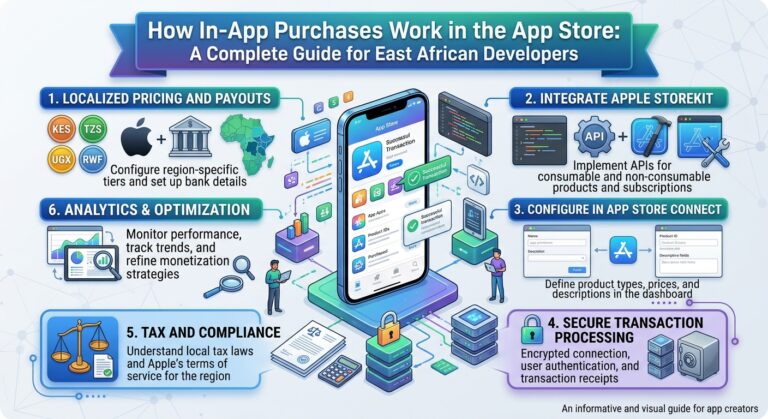
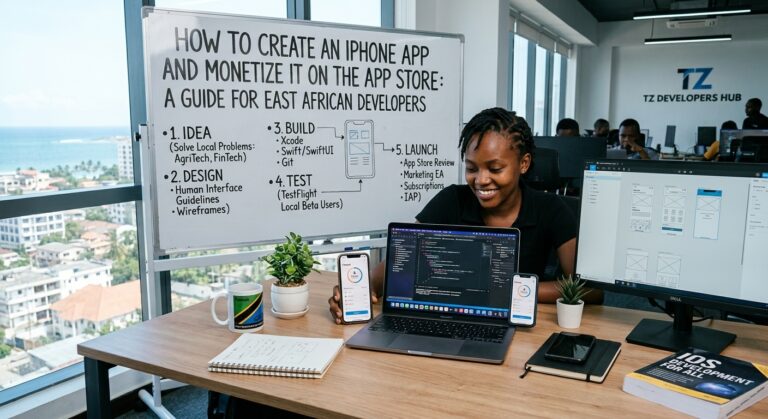
Game development sits at the intersection of many different digital industries. The same technical skills required to build a successful mobile game—such as mobile app engineering, managing live backend systems, analyzing user data, and setting up in-app purchases—are the exact skills needed to build successful consumer software of any kind.
Furthermore, the gaming industry bridges the gap between technology and the creative arts. A single game studio employs software developers, digital artists, animators, sound designers, writers, and community managers. Supporting a game studio means creating diverse digital jobs for young people, proving that technology and creativity can work hand-in-hand to build profitable businesses.
What Developers and Founders Should Watch Next
As this initiative rolls out, tech founders and creators should pay attention to a few key factors:
- Will there be repeat support? One-time grants are helpful, but long-term growth requires ongoing programs and sustained backing.
- Do studios get mentorship alongside money? Funding is crucial, but expert advice on publishing, marketing, and design is often just as valuable.
- How will monetization adapt? African studios need creative business models that work for users with varying levels of disposable income.
- Will follow-on investors take notice? Platform-backed grants can act as a stamp of approval, helping studios attract venture capital and angel investors later on.
The Bigger Picture for Africa’s App Economy
Google Play’s investment fits into a wider trend. Across the continent, global players are realizing that traditional equity funding is not the only way to support African startups. Targeted grants, incubator programs, and platform partnerships are becoming vital parts of the startup landscape—not just for fintech and edtech, but for gaming as well.
For African developers, the goal isn’t just to build apps that succeed at home. It is to create products that can cross borders, succeed in global app stores, and reach international audiences. Gaming is the ultimate test of that ambition because it demands both high technical quality and deep creative discipline.
If Google Play’s fund helps even a handful of these studios ship better games, keep players engaged, and build sustainable companies, the impact will reach far beyond entertainment. It will send a powerful message to the rest of the world: African software teams can build world-class products that deserve global distribution and serious investment.
Sources
About the Author